


September 15, 2026
Bringing Your Dog to Mexico Just Got More Paperwork
A flesh-eating fly rewrote the pet border rules this summer, US troops train in Chihuahua, and the whole country's phones go off on Saturday.
It is Independence Day week in Mexico. The Grito happens tonight in every plaza in the country, the 16th is a holiday, and most of the country takes it seriously. This issue has a puppy with a government job, a soccer investigation, and a new rule that anyone crossing the border with a dog needs to know about.
Trivia
Which came first, Mexico's independence or Canada's Confederation, and by how many years?
This Week in Mexico
- The Senate approved 139 armed US soldiers from the 101st Airborne for joint training exercises in Chihuahua from September 20 to 30, a rare sight in a country that guards its sovereignty closely.
- Mexico's antitrust authority opened a formal investigation into professional soccer, prompted by fan complaints about the promotion and relegation system that was supposed to return in 2026 and never did.
- August inflation came in at 3.26%, a touch above July, but core inflation fell to 3.88%, lower than the market expected.
- The presidency adopted a mixed-breed puppy named Rollo as an emotional-support dog for National Palace staff; he shares the grounds with the resident cats, which are officially on the books as government assets.
- After months of sargassum, the water off the Riviera Maya is turning turquoise again.
- Checo Pérez gets a fresh Ferrari engine for Baku, with Cadillac promising more upgrades to follow.
- Pemex told US authorities it has stopped shipping crude to Cuba since Trump's tariff threat, and renamed the subsidiary that used to do it, for the second time.
- The USDA says the phased reopening of Mexican cattle imports at Douglas, Arizona is working, and New Mexico ports could follow if screwworm stays contained.
- For the first time, the 2027 budget asks for no federal subsidy for Felipe Ángeles airport, which now turns a profit on cargo and domestic flights.
- Industrial output grew 2.4% in July, the strongest annual growth in nearly three years.
Worth Knowing: Bringing your dog to Mexico (the rules changed this summer)
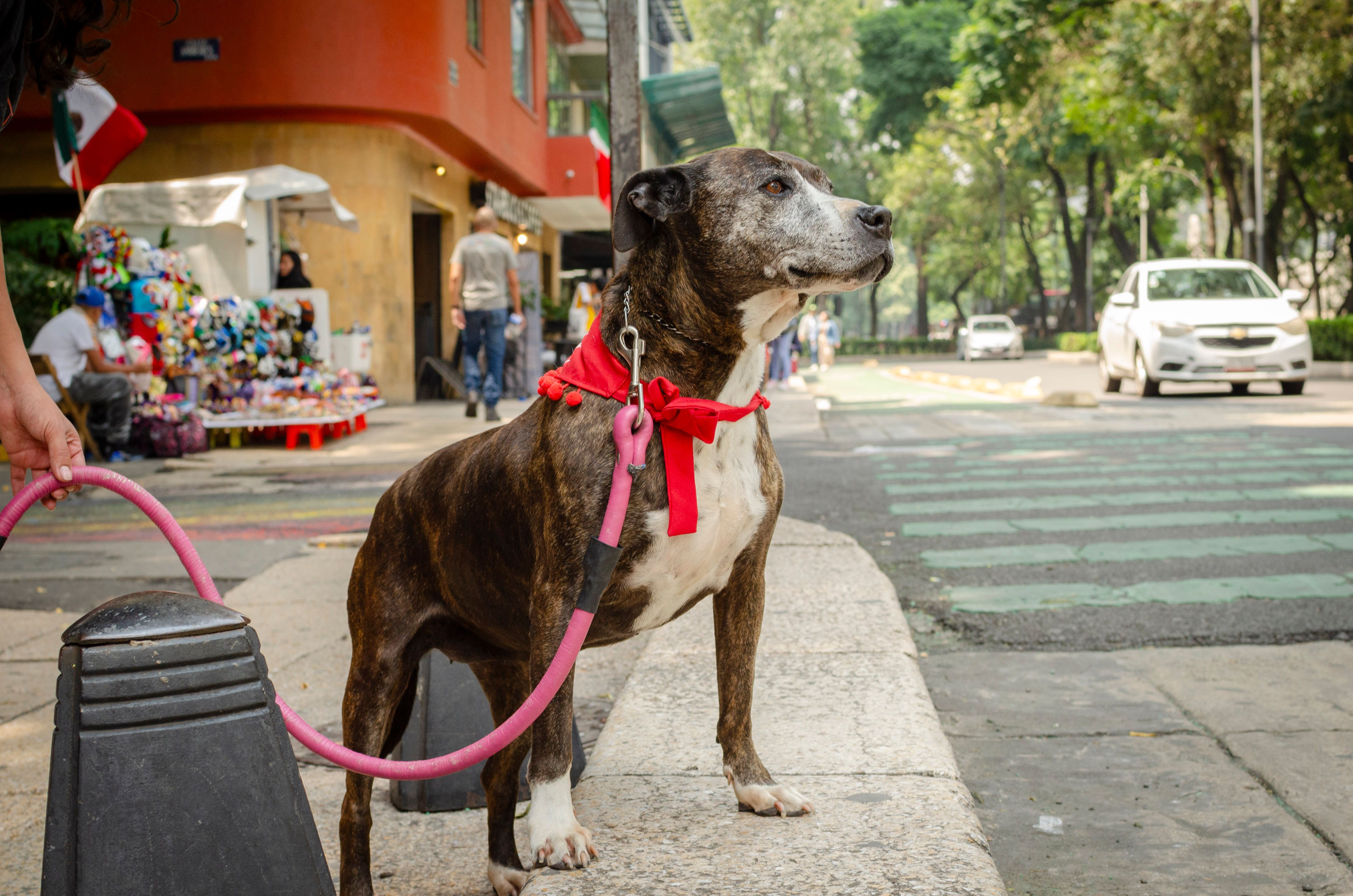
For years, bringing a dog or cat into Mexico from Canada or the US was about as easy as border paperwork gets. No health certificate. You showed up, an inspector from SENASICA (Mexico's animal health agency) looked your animal over, and you were on your way. Cats still work that way. Dogs coming from the US do not, as of August 3.
The reason is a fly. The New World screwworm lays its eggs in open wounds on warm-blooded animals, and the larvae eat living tissue. It mostly hits cattle, but dogs are the second most affected animal in Mexico's outbreak, and it can reach cats and occasionally people. Mexico has been fighting it since late 2024, and in June the US confirmed cases in Texas and New Mexico. Each country now treats the other as infected, and pets got caught in the paperwork.
Here is what that means in practice.
Going into Mexico from the US with a dog: you need a New World Screwworm Inspection Certificate signed by a USDA-accredited vet, issued no more than five days before you cross. Not five business days, not "about a week." Five. It does not need an APHIS stamp, so it is a vet visit, not a mail-in. Then the usual SENASICA check at the border: no fresh or healing wounds, no ticks or fleas, a clean carrier with nothing in it but the dog, and only enough food for that day. If they find ticks, they sample them and hold your dog until the lab confirms they are a species Mexico already has. You pay for that.
Cats from the US: nothing changed. No certificate, same inspection.
From Canada: neither Mexico nor the CFIA asks for a health certificate for a dog or cat, and Mexico's screwworm certificate rule is written for dogs coming from the US. If you drive down through the States, confirm with SENASICA whether the US certificate applies to you. If your dog has a skin condition or a healing wound, carry a letter from your vet on letterhead, because the inspector will notice.
Going back to the US with a dog, whether you are American or a Canadian driving home through the States: this is the part people miss. The US considers Mexico screwworm-affected, so every dog entering from Mexico needs a screwworm-freedom certificate from a SENASICA-authorized vet in Mexico, based on an inspection within five days of crossing. That is on top of the CDC Dog Import Form, a microchip, and the dog being at least six months old. Not every vet in Mexico can sign it. SENASICA authorizes specific clinics (the APHIS page links to the directory), and in some towns that is a handful, so book early.
Going back to Canada with a dog: no screwworm certificate as of now. The CFIA's screwworm restrictions cover livestock, not dogs and cats, so it is the usual rabies paperwork. Check its page before you drive anyway, because that list can change.
A few things that don't change. Airlines can ask for more than any government does, and if they do, you need it to board. Hotels along the drive still need to allow your dog in writing. And once you are here, the fly is a daily-life thing, not just a border thing. It is in most states, heaviest in the hot, humid south and along the coasts. Look your pet over every day, cover any cut, and take a wound that is not healing to a vet the same day. Caught early, it is treatable.
If you cross often, SENASICA runs a frequent-traveler pet program; the APHIS Mexico page has the phone numbers.
Most of this is a vet visit and a folder. It is annoying, it costs money, and the five-day window means you cannot do it early and forget it. The inspector's job is keeping a fly out, and a clean, healthy dog with the right paper walks through.
The rules have changed more than once this year. Check the APHIS Mexico page and the CFIA page the week you travel, not the month before.
The border is only half of it. Housing, heat, and what "pet-friendly" actually means in a Mexican rental are in the full pets guide on the website.
Más México

At 7:19 on the morning of September 19, 1985, an 8.0 earthquake off the coast of Michoacán reached Mexico City and shook it for minutes. Hundreds of buildings came down. The government's count of the dead was in the thousands; other estimates run past 10,000, and the city never settled on a number. Ordinary people dug neighbours out with their hands for days, which is where Mexico's modern civil protection system, and its seismic alert, came from.
So every September 19 since, the country runs a drill. In 2017 the drill ran at 11 in the morning. At 1:14 that afternoon a real 7.1 hit, 32 years to the day, and killed about 370 people. In 2022, another 7.7 struck less than an hour after the drill. Mexicans have a dark joke about the date, and they have earned it.
This Saturday at noon central time the alert sounds again, on a Saturday for the first time so families practise at home instead of at the office, and it goes to every cell phone in all 32 states whether the phone is on silent or not. The central-zone scenario is a 7.7 near Tehuacán, Puebla. In the capital, loudspeakers on the street poles blare the tone, buildings empty into the street, and people stand at the marked meeting points until the all-clear. Then everyone goes back inside and gets on with Saturday.
If you are thinking about a move, the free resources at movetomexiconavigator.com cover residency, banking, healthcare, schools and more, written for people who have not done this before. Start there.
Trivia Answer
Mexico, by 46 years. Mexico's independence was won in 1821; Canada's Confederation came in 1867. And the date on the flag-waving is a little off: September 16 marks the 1810 start of the war, not the win. The fighting took eleven years, and the day it actually ended, September 27, 1821, gets almost no attention.
Nos vemos (See you).
Corey
Some links go to Spanish-language sources. In Chrome or Edge, right-click the page and choose Translate to English. On iPhone Safari, tap the AA icon and choose Translate.