

Moving to Mexico With Pets
Most people treat their pet as a detail to sort out near the end of the move. In practice, a dog or cat is one of the first things I'd factor in, because it quietly shapes almost everything else: where you can realistically rent, which cities actually suit you, how you travel, and what your monthly budget looks like. A move that would be simple for a single person can get complicated fast when a large dog is part of the picture.
Here's an honest overview of what actually matters, based on the questions I get asked most.
The entry rules changed again in 2026, and most articles online are out of date
For a few years the story was simple: no health certificate needed for dogs and cats from the U.S. or Canada, just a SENASICA inspection on arrival. That changed on August 3, 2026, because of the New World screwworm outbreak (more on that below).
Here's where things stand now:
- Dogs coming from the United States need a screwworm inspection certificate signed by a USDA-accredited veterinarian no more than 5 days before the dog arrives in Mexico. It's a short form, it does not need APHIS endorsement, and you hand it to SENASICA at the inspection office (OISA) at the border or airport. The vet is confirming the dog has been examined and is free of screwworm, external parasites, and open or healing wounds.
- Cats from the United States are not affected. No certificate. Still inspected on arrival.
- Dogs and cats from Canada: CFIA's current guidance is that no certificate is needed, and Canada has no screwworm. If you're flying direct, expect the normal inspection only. If you're driving through the U.S. and crossing at a land border, contact SENASICA before you leave and confirm what they'll expect from a Canadian dog arriving from the U.S. side. That's an honest gray area right now, and I'd rather you have the answer in writing than find out at the crossing.
- Going home matters too. Any dog leaving Mexico for the United States now needs a screwworm-freedom certificate from a SENASICA-authorized vet, issued within 5 days of travel, on top of the usual CDC dog import form. Not every clinic can sign it. If you'll ever take your dog back, find an authorized vet near where you settle before you need one.
A few things still stay true:
- Carry your records anyway. Rabies and vaccination records, any prescription details, and recent vet paperwork. They cost nothing to bring and can save you a headache.
- Treat parasites and let wounds heal before you travel. A dog with visible ticks or a fresh cut can be held at the border even with perfect paperwork.
- Rules change, and origin country matters. Anything written before August 2026 about U.S. dog entry is out of date. Verify current SENASICA guidance close to your travel date.
- Your airline is a separate authority. More on that below.
If you take one thing from this section: the paperwork is more than it was a year ago, but it's a five-minute vet visit, not a project. The trick is timing it inside that 5-day window.
Flying vs driving: the real tradeoffs
There's no universally better option. It depends almost entirely on the size and health of your animal.
Flying works well for small dogs and cats that fit in an airline-approved under-seat carrier on a direct flight. It gets complicated for large dogs (which usually mean checked or cargo travel), snub-nosed breeds, senior pets, and anxious or medically fragile animals.
A few things I'd treat as non-negotiable:
- Airline rules are separate from Mexico's entry rules, and airlines are often stricter. If your airline wants more documentation than Mexico requires, you still have to satisfy the airline to board. Confirm the exact route, aircraft, carrier size, fees, and any breed or temperature restrictions before you book.
- Book the pet's space first, not last. Cabin pet slots are limited. Don't buy your ticket and assume you can add the dog later.
- Snub-nosed, senior, or fragile pets deserve a vet's opinion before flying. Cargo holds and heat stress are a genuine risk for some breeds.
- U.S. dog owners: book the accredited-vet visit against your arrival date. If a flight gets cancelled and rebooked past the 5-day window, you need a new certificate.
Driving is often the more practical choice for medium and large dogs, because the pet stays with you and you skip the cargo lottery entirely. But driving is not automatically the gentler option. A long summer drive can be hard on a senior or heat-sensitive animal, and it requires real planning: pet-friendly hotels booked in advance, mapped rest and emergency-vet stops, careful heat management at midday, and keeping the animal secure at every gas station and border crossing. If you're driving down from the U.S. with a dog over several days, get the screwworm certificate from an accredited vet near the end of your route so it's still valid the day you cross.
Housing is where pets actually cost you options
This is the part almost nobody warns you about, and it's the single biggest reason I tell people to think about their pet early.
"Pet-friendly" in Mexico is not a yes/no switch. In practice you'll run into all of these:
- Cats only. Common. A listing can be "pet-friendly" and still say no to dogs.
- Small dogs only. Which quietly excludes most medium and large dogs.
- Case-by-case approval, where the landlord wants photos, breed, age, and weight before deciding.
- Building rules that override the landlord. A condo, HOA, or gated-community rulebook can say no even when the individual owner says yes. Landlord approval is not building approval.
A few hard-won rules:
- Get written approval for your exact pet before you pay a single peso. Species, breed or mix, weight, and number of pets, all in writing. Verbal "should be fine" is not approval.
- Furnished rentals are often stricter, because owners worry about shedding, odor, and damage to their furniture.
- Airbnb filters are not enough. A host's "pets OK" toggle can still hide size, breed, or number limits. Message the host and confirm directly.
Large dogs specifically
If you have a big dog, assume you'll have fewer options and need to start your housing search earlier. Landlords frequently ask for photos to judge size and temperament. The single most useful thing you can do is build a simple pet profile: a couple of photos and a short video, breed and weight, age and training notes, vaccination status, and ideally a reference from a previous landlord. It doesn't guarantee a yes, but it directly answers the concerns that make owners hesitate, and it separates you from the applicant who just shows up with an unknown 40-kilo dog.
Heat is a health issue, not a comfort issue
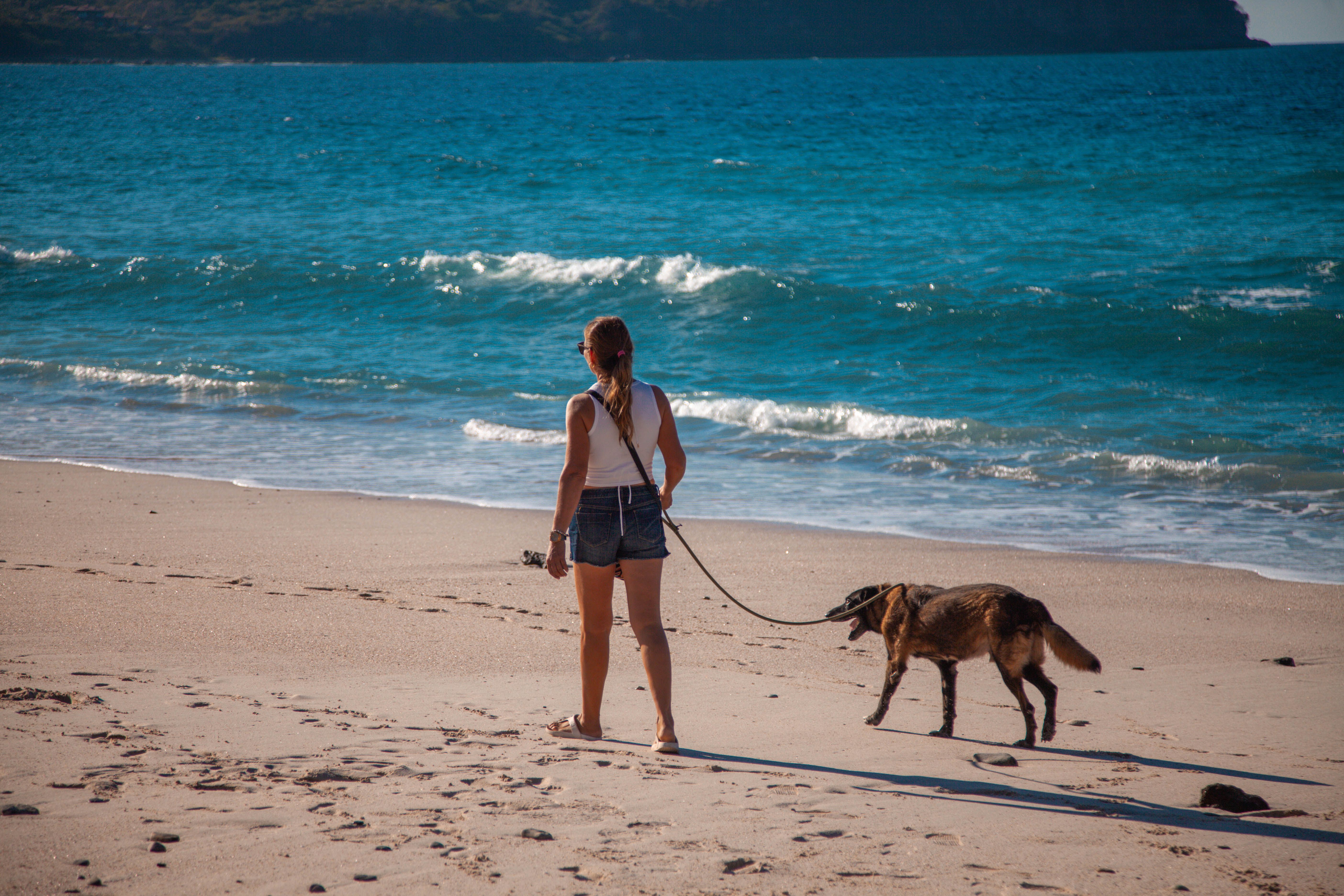
In much of coastal Mexico, heat and humidity are a real planning factor for pets, not a footnote. Hot pavement and sand can burn paws, so the walking routine shifts to early morning and evening. Reliable air conditioning stops being a luxury for heat-sensitive animals.
The pets most at risk are snub-nosed breeds, seniors, overweight dogs, and thick-coated breeds. If your animal is in one of those categories, a hot, humid, year-round coastal city is something to weigh seriously, and a cooler inland option may simply be the kinder choice. This is worth a conversation with a vet before you commit to a destination.
Screwworm: the new thing every pet owner in Mexico needs to know about
This is the reason the entry rules changed, and it's worth understanding on its own, because it affects daily life, not just the border.
New World screwworm is a parasitic fly. It lays its eggs on the edge of a wound or a body opening, the eggs hatch into larvae, and the larvae feed on living tissue. Left alone, the wound gets bigger and deeper and the animal can die. Caught early, a vet removes the larvae, cleans the wound, and the pet recovers. The whole thing turns on how quickly you notice.
Mexico has had an outbreak since late 2024. It's now in most states, heaviest in the south and along the Gulf coast, with cases as far north as the border states and, as of 2026, Sinaloa. Dogs have been a large share of the confirmed cases. Baja and Sonora have had the least exposure so far, but I wouldn't treat any region as permanently clear.
What actually matters day to day:
- It's not contagious. Your dog can't catch it from another dog or give it to you. The risk is a fly reaching an open wound.
- Any break in the skin is an entry point. Cuts, scrapes, tick bites, fight wounds, hot spots, ear infections, and surgical incisions. Ask your vet how to protect an incision in the days after a spay or neuter.
- Look your pet over every day. Ears, face, paws, belly, under the tail, anywhere they're licking or scratching. Thirty seconds after the evening walk is enough.
- Clean and cover wounds, and don't wait on anything that isn't healing. A wound that's growing, smells bad, has discharge, or has visible maggots is a same-day vet visit. Don't try to dig larvae out at home or pour chemicals into the wound.
- Keep fleas and ticks under control, because bites and scratching create the openings flies look for.
- Outdoor sleeping, roaming, and street-animal fights raise the risk, especially in hot, humid areas. Outdoor cats need the same attention as dogs.
None of this should scare you off a city. It should change one habit: you check your animal daily, the way you'd check for ticks after a hike, and you take wounds seriously.
Vet care, meds, and food
Private veterinary care is genuinely good and often affordable in larger cities and established expat areas. Routine care is easy to find. Where it varies is emergency care, specialists, advanced diagnostics, and 24-hour clinics, which can be limited in smaller towns. A common pattern is a good local vet nearby plus a larger backup city (Guadalajara, Mexico City, and similar) for anything serious.
Practical steps that pay off:
- Line up one routine vet and one emergency option soon after you arrive, before you need them.
- If you'll ever take a dog back to the U.S., also find a SENASICA-authorized vet (called an MVRA) who can sign the return certificate. SENASICA publishes a directory, and in some areas there are only a handful.
- If your pet is on a chronic medication or a prescription diet, verify availability before you choose a smaller city. Exact brands and formulas aren't guaranteed everywhere. Bring a buffer supply with vet documentation to cover the transition.
- Parasite prevention is often a year-round issue in warm, humid, coastal areas, not the seasonal thing many people are used to back home. Let a local vet set the plan.
Cats have their own risks
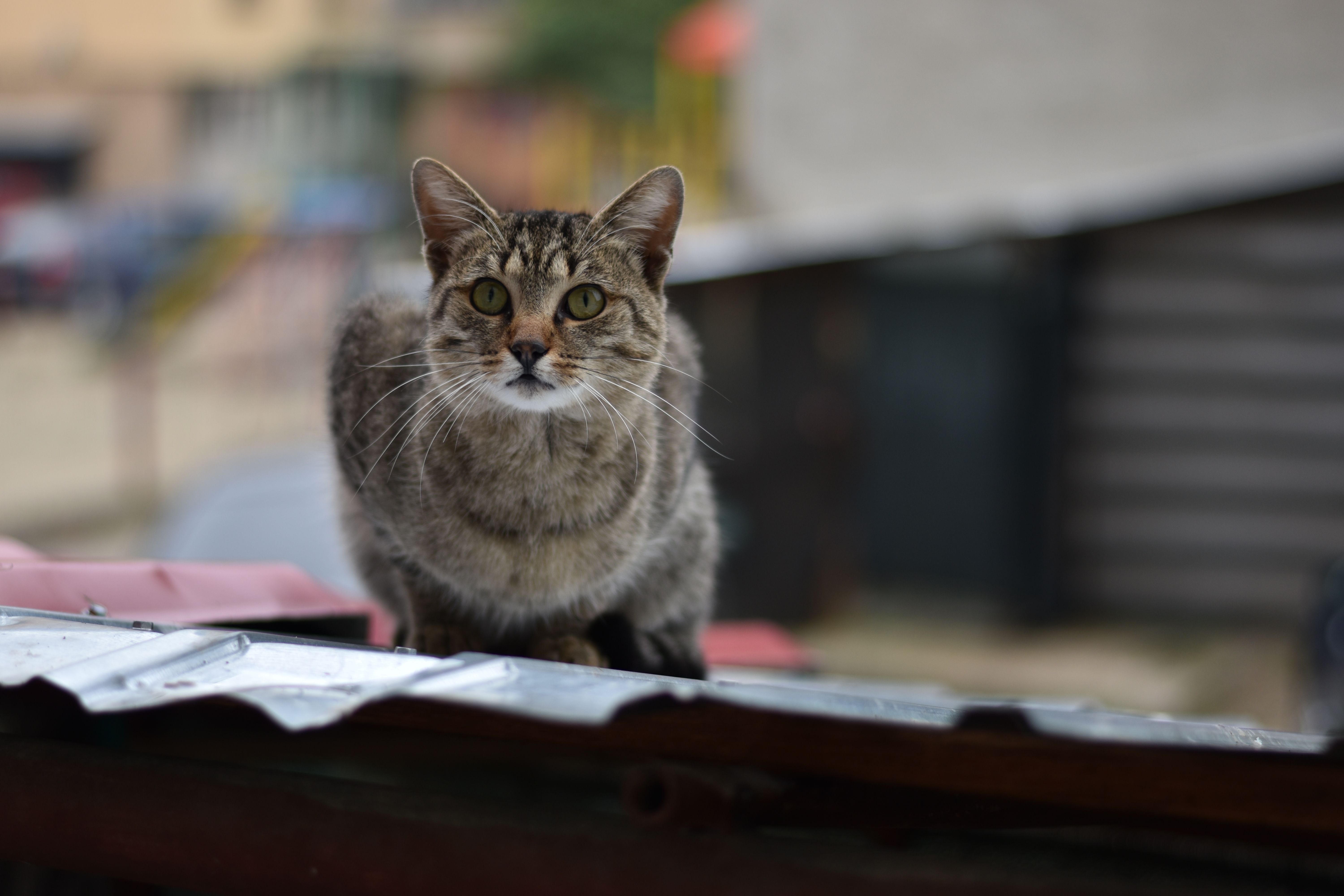
Cats usually create far less housing friction than large dogs, which is a real advantage. Their risks are different: escape and getting lost, balcony and window safety in high-rise condos, and travel stress, which for some cats is the hardest part of the whole move. Secure screens, a quiet arrival space, and confirmed litter and food availability go a long way.
Where this stops being general advice
Everything above is the honest general picture. Where it gets genuinely personal is the matching: whether your city suits a senior dog with medical needs versus a heat-sensitive breed versus two large dogs on a tight budget produces a different answer every single time. The right heat plan, the realistic housing strategy, and the city shortlist all depend on the specific animal and the specific situation. That's the part worth working through carefully rather than guessing at from a general guide.
One last honest note: for a small number of people, the honest answer is that a particular pet and a particular Mexican city are a hard fit. I'd rather you know that before you move than after.