

Cars, Driving, and Getting Around Mexico
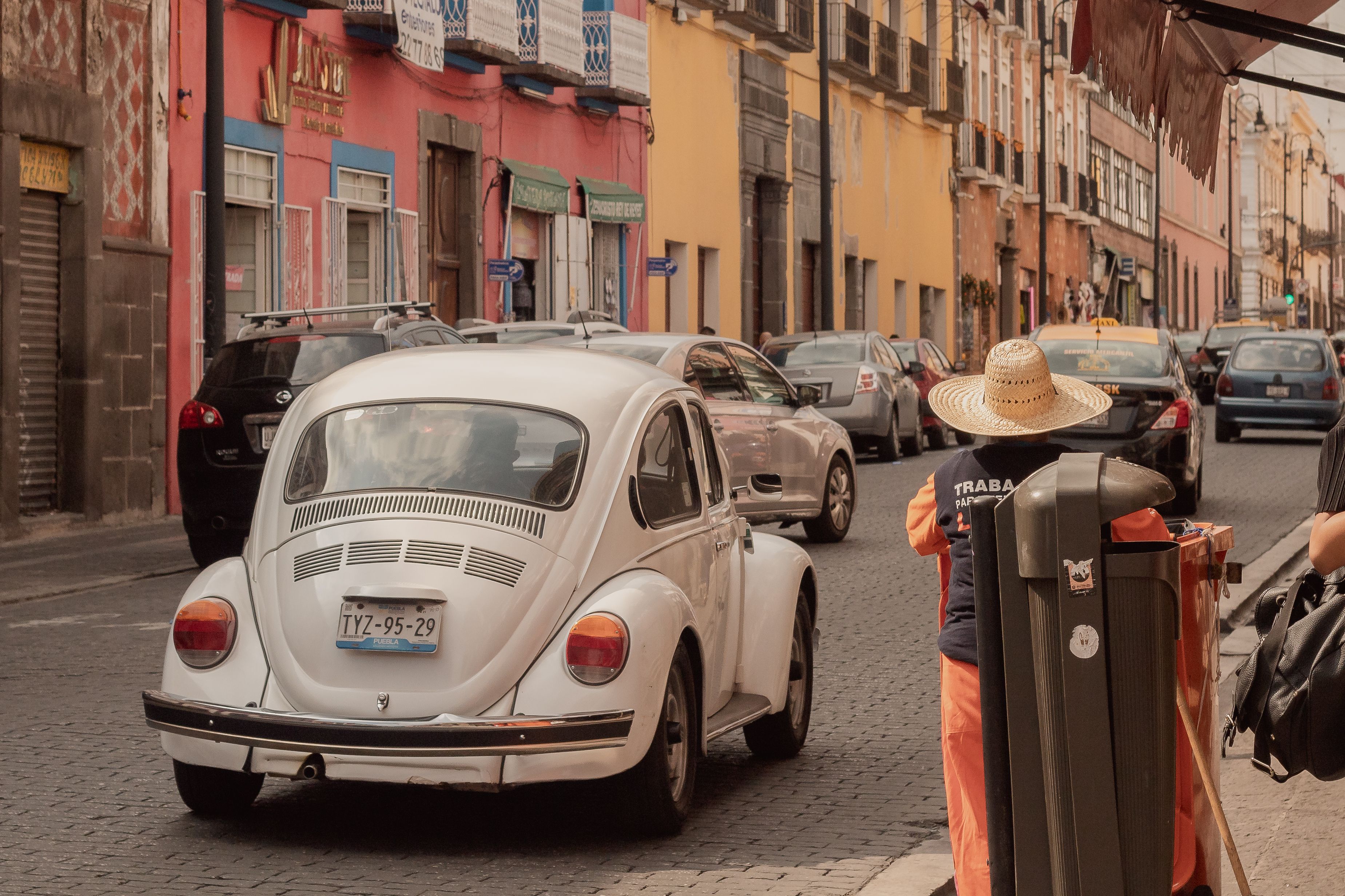
Transportation feels like a detail you'll sort out after you arrive. It isn't. How you get around shapes which city works for you, which neighborhood you can live in, your monthly budget, your kids' school logistics, and, if you bring a car from home, some genuinely serious legal questions tied to your residency. It's worth thinking through before you move, not after.
The single most important thing I can tell you in this whole article: if you're bringing a foreign-plated vehicle, read the section on that carefully, because it's where I see people make expensive, avoidable mistakes.
Do you even need a car?
There's no universal answer. It depends on your city, your exact neighborhood, whether you have kids in school, pets, mobility needs, and how comfortable you are with taxis, rideshare, and buses.
Broadly, car-free living genuinely works in the right walkable neighborhood with reliable transport, and it saves you a lot in fixed costs. It gets much harder with children who need a school commute, in spread-out or gated suburban housing, with mobility limitations, or in a hot climate where walking everywhere isn't realistic. One honest caution: "car-free" does not mean "transport-free." A daily rideshare habit adds up, so budget it realistically rather than assuming free.
And if you have a family, solve your school transportation before you choose housing, not after. The school run drives more of the daily logistics than almost anything else.
The foreign-plated vehicle trap
This is the section worth slowing down for. A foreign-plated vehicle (your Canadian or US car, truck, or RV) can be practical for visitors, snowbirds, and some Temporary Residents. But it's one of the highest-risk areas in the entire relocation process, and it's badly misunderstood.
What a TIP actually is
To drive a foreign-plated vehicle in most of Mexico, you need a TIP, a Temporary Import Permit, issued through a government entity called Banjercito. The critical mindset shift: a TIP is a customs document, not a casual driving sticker. It's tied to your vehicle and your immigration status, and it has to be managed and eventually cancelled properly, with proof of cancellation kept. An expired, lost, or uncancelled TIP is a customs problem, not a paperwork annoyance, and a previous uncancelled TIP can come back to bite you later.
Free Zones are geographic, not national
You'll hear that you don't need a TIP in the "Free Zone," and that's partly true. Places like Baja California and parts of Sonora and the border region have different rules. But this trips people up constantly: Free Zone rules are geographic, not a nationwide exemption. Being fine to drive around Baja does not mean you can drive that same vehicle onto the mainland without a TIP. Always verify the specific route before you leave a Free Zone.
The Permanent Residency landmine
Here's the one that catches people, and it connects directly to your residency strategy. Permanent Residents generally cannot keep or drive a foreign-plated vehicle on mainland Mexico. Temporary Residents usually can, on a valid TIP. Permanent Residents usually cannot.
So if you own a foreign-plated car and you either apply directly for Permanent Residency or convert to it after your four years as a Temporary Resident, you can suddenly find yourself with a vehicle you're not allowed to drive. The move is to resolve the vehicle situation (sell it, take it out of the country, or look into permanent importation) before you make that residency change, not after. Permanent importation is a separate customs process, it's not automatic, not every vehicle qualifies, and it doesn't always make financial sense, so check eligibility and cost with a customs broker before you count on it.
The simpler path: a Mexican-plated car
For most people settling here long-term, and especially for Permanent Residents, buying a Mexican-plated vehicle is the cleaner solution. It sidesteps the entire TIP and Free Zone headache, and insurance and registration are more straightforward. Foreigners can generally buy, though registration will want your residency documents, CURP, RFC, and proof of address. If you buy used, do your homework on the title and factura history, unpaid fines, and mechanical condition before you hand over money, just as you would anywhere.
Insurance: your home policy is not enough
Do not assume your Canadian or US auto insurance covers you here. It generally does not in any meaningful way. You need Mexico-valid liability insurance before you drive, full stop. Third-party liability is the core, and legal-assistance and roadside coverage are genuinely worth having given how differently accidents are handled here. One important detail for foreign-plated vehicles: a policy may depend on your registration and TIP being valid, so an invalid TIP can quietly undermine your coverage. Know your insurer's emergency number before you need it.
Driver's licences
You can usually drive on a valid foreign licence for a while, but licence rules are set at the state level, not nationally, so long-term residents should check the rules where they live and consider getting a Mexican licence, especially once you own a Mexican-plated car. An International Driving Permit can help as a translation but doesn't replace a real licence.
If you have an accident
The process is not like home. The short version: make sure everyone's safe and call emergency services if needed, then call your Mexican insurer immediately and follow their instructions. Don't just drive off, take photos and gather information, and don't sign anything you don't understand. This is exactly why that legal-assistance coverage matters. (For police stops and checkpoints, the calm, document-ready approach I cover in the safety guide applies here too: stay respectful, ask for an official citation if you're accused of something, and never offer an unofficial payment.)
Driving safety and the road
Driving here isn't uniformly dangerous, but it isn't identical to home either. City driving throws motorcycles, buses, and aggressive merging at you; highways add unmarked speed bumps (topes), animals, and long gaps between services. The most repeated piece of advice from experienced residents: avoid long-distance highway driving at night when you can. For longer trips, favor the toll roads (cuotas) over the free roads (libres), they cost more but are usually faster, better maintained, and less stressful. Carry pesos for the tolls. And treat a drive down from Canada or the US as a real relocation project with a planned route, secure overnight parking, and your documents accessible, not a spontaneous road trip.
One budgeting note people miss: don't assume gas is cheap in Mexico, and don't forget the full cost of a car here includes insurance, repairs, parking, tolls, and registration, not just the purchase.
Where this stops being general
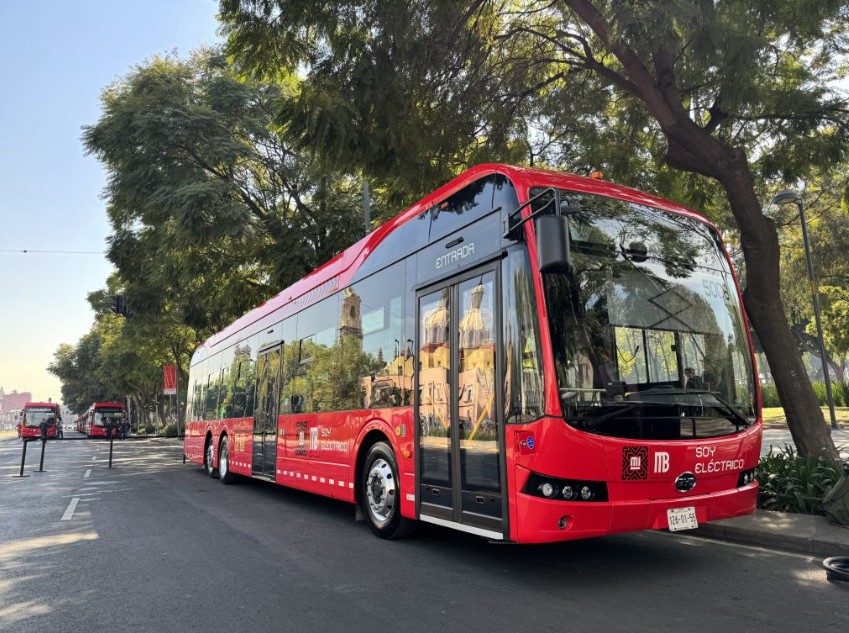
This is the shared map. What it can't tell you is whether your specific city and neighborhood actually need a car, or whether your particular vehicle and residency plan create a problem, because that changes completely from one situation to the next. A car-free life that's effortless in central Mexico City would be miserable in a gated suburb, and a foreign-plated truck that's fine for a snowbird is a serious issue for someone converting to Permanent Residency.
The honest bottom line: the vehicle-and-residency question is one of the few areas where a wrong assumption is genuinely costly, so it's worth getting right for your exact situation before you commit to a car, a city, or a residency path.
This is general educational information, not customs, legal, or insurance advice. TIP, importation, and residency-linked vehicle rules can change and depend on your exact facts, so verify with official sources or a qualified professional before you drive, import, sell, or change status.