

Is Mexico Safe? An Honest Answer
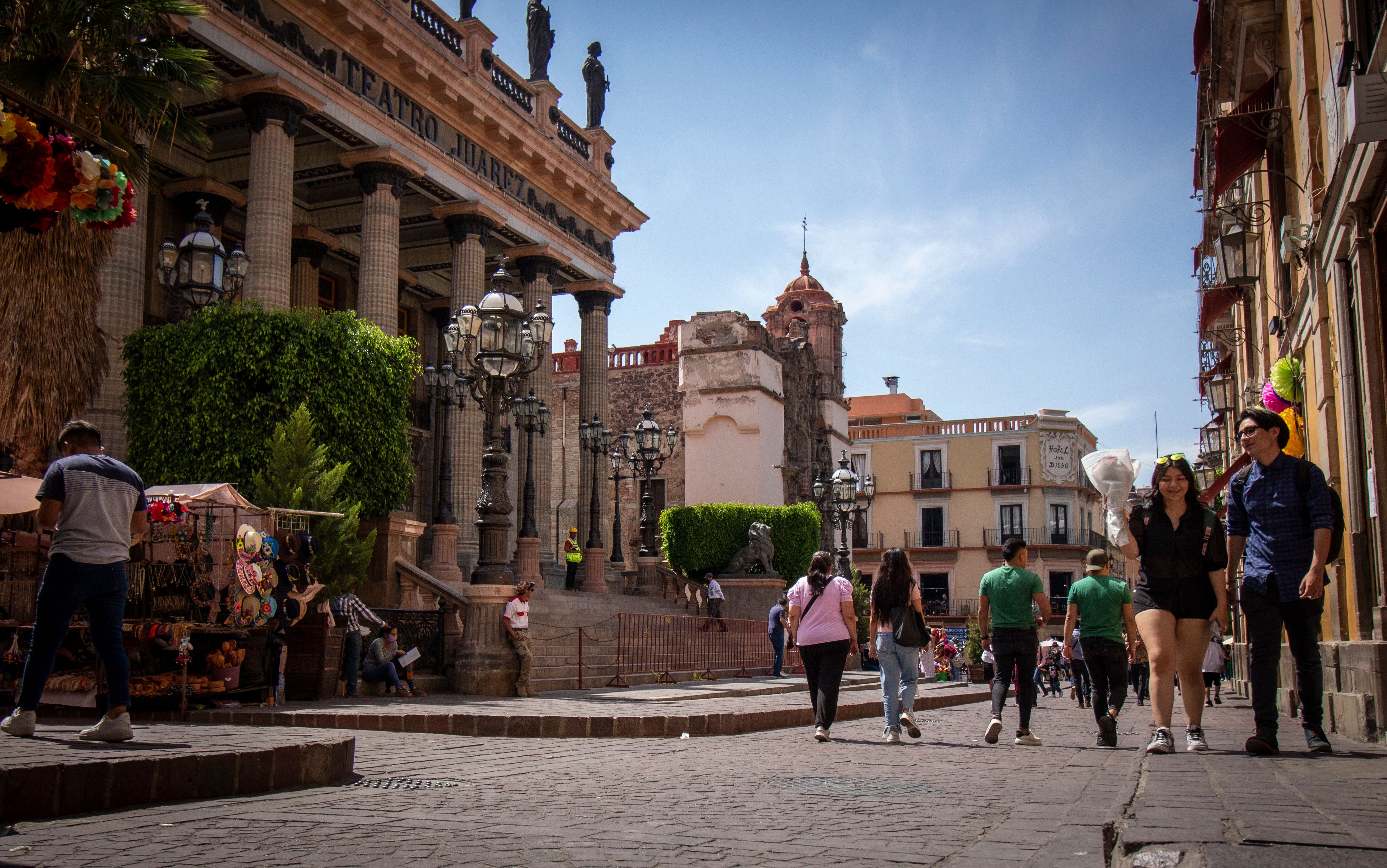
This is the question I get more than any other, usually from a worried family member rather than the person actually moving. And it deserves a real answer, not a defensive one and not a dismissive one. So here it is: "Is Mexico safe?" is the wrong question, because it has no honest yes-or-no answer. Safety in Mexico varies enormously by state, city, neighborhood, the exact street, the road you take, the time of day, and the choices you make. The right question is whether a specific place and a specific lifestyle are a good safety fit for you.
My goal here isn't to talk you into Mexico or scare you out of it. It's to help you think about risk the way someone who actually lives here does.
Safety fit, not a label
The instinct is to sort cities into "safe" and "dangerous" buckets. It doesn't work, because the same city can be a great fit for one person and a poor one for another. A retired couple in a secure building has a completely different daily risk profile than a solo traveler out late in a tourist party zone, even on the same street.
So instead of asking "is this city safe," ask "is this city, this neighborhood, and this lifestyle a safe fit for me." That reframing is the whole game, and it's where most of the fear-based internet advice falls apart.
The two very different kinds of risk
Here's the distinction that almost never survives a news headline. Much of Mexico's most serious violence is connected to organized crime, specific disputes, and particular routes or regions. It is often targeted and location-specific. That does not mean bystanders are never affected, they sometimes are, and I won't pretend otherwise. But it means the risk that dominates the headlines is not usually the risk that shapes an ordinary resident's day.
For most expats, retirees, families, and remote workers living normal lives, the practical risks are much more mundane: choosing the wrong neighborhood, rental fraud, petty theft, a phone snatched off a restaurant table, road travel, and nightlife decisions. The good news is that these everyday risks are the ones you can actually do the most about.
How to actually read a travel advisory
Official advisories from the US, Canada, and the UK are useful and you shouldn't ignore them. But you have to read them intelligently. They're written broadly, usually at the state level, and they're deliberately conservative. A whole state can carry a serious warning driven by highway corridors and organized-crime activity that has little to do with the quiet neighborhood where expats actually live.
So the skill is this: don't ignore an advisory, and don't panic at the state-level headline either. Check whether the specific warning applies to your exact city, your neighborhood, your travel routes, and your lifestyle. A higher-advisory state means you need to interpret more carefully, not that you cross the entire place off automatically. Mazatlan is a good example, plenty of people live comfortable daily lives there, while it sits in a state with real advisory complexity that mostly concerns highways and regional issues. Both things are true at once.
Neighborhood matters more than city
Choosing your city is only the first filter. Your daily safety and comfort are shaped far more by the exact neighborhood and street. Before committing to any rental, visit the area both in daylight and after dark. Check the lighting, how active and calm the street feels, whether transport is reliable at night, and how close you are to bars or busy roads. Ask locals and other residents, but never bet on a single Facebook opinion. Green flags are good lighting, a secure building, and nearby pharmacy, grocery, and clinic. Warning flags are an isolated poorly-lit street, no transport after dark, a flood-prone block, a price suspiciously far below market, and a landlord pressuring you to pay before you've seen it.
The everyday stuff that actually protects you
Most preventable incidents come down to a handful of ordinary habits. Keep your phone off restaurant tables and out of loose pockets near the street. Use ATMs inside banks, malls, or grocery stores rather than isolated ones. Carry small bills and don't flash cash. Keep bags closed and in front of you in crowded markets and transit. Never leave valuables, passports, or laptops visible in a car. Use a rideshare or a known taxi at night when you're unsure. And stay out of the drug scene entirely, anywhere, along with local disputes that aren't yours. A large share of the scary stories involve people who went looking for something they shouldn't have. None of this is dramatic, and that's the point, the boring habits prevent the majority of problems.
A word on scams
The scams that actually catch newcomers are rarely violent, they're financial. Rental fraud is the big one: a price too good to be true, a "landlord" who's conveniently out of the country, pressure to send a deposit before you've seen the place, or a payment account name that doesn't match anyone. The defense is simple and never changes, verify the property and the person independently, get it in writing, and never send a large deposit to someone you can't confirm controls the property. Romance scams, fake facilitators promising guaranteed outcomes for cash upfront, and ATM card skimming round out the list. Slow down and verify, and you sidestep almost all of it.
If you get pulled over
A common worry is a police stop or a request for an unofficial payment. General approach, and this is education, not legal advice: stay calm and respectful, keep your hands visible, and ask what the issue is. If there's an alleged violation, ask for the official ticket or process. Don't offer an unofficial payment, and don't escalate, argue aggressively, or resist. If the situation feels genuinely improper or serious, that's when you contact your insurer, a trusted local, qualified legal help, or your consulate. Keep your license, insurance, and residency documents accessible, and your TIP papers too if you're driving a foreign-plated car.
Driving and the road
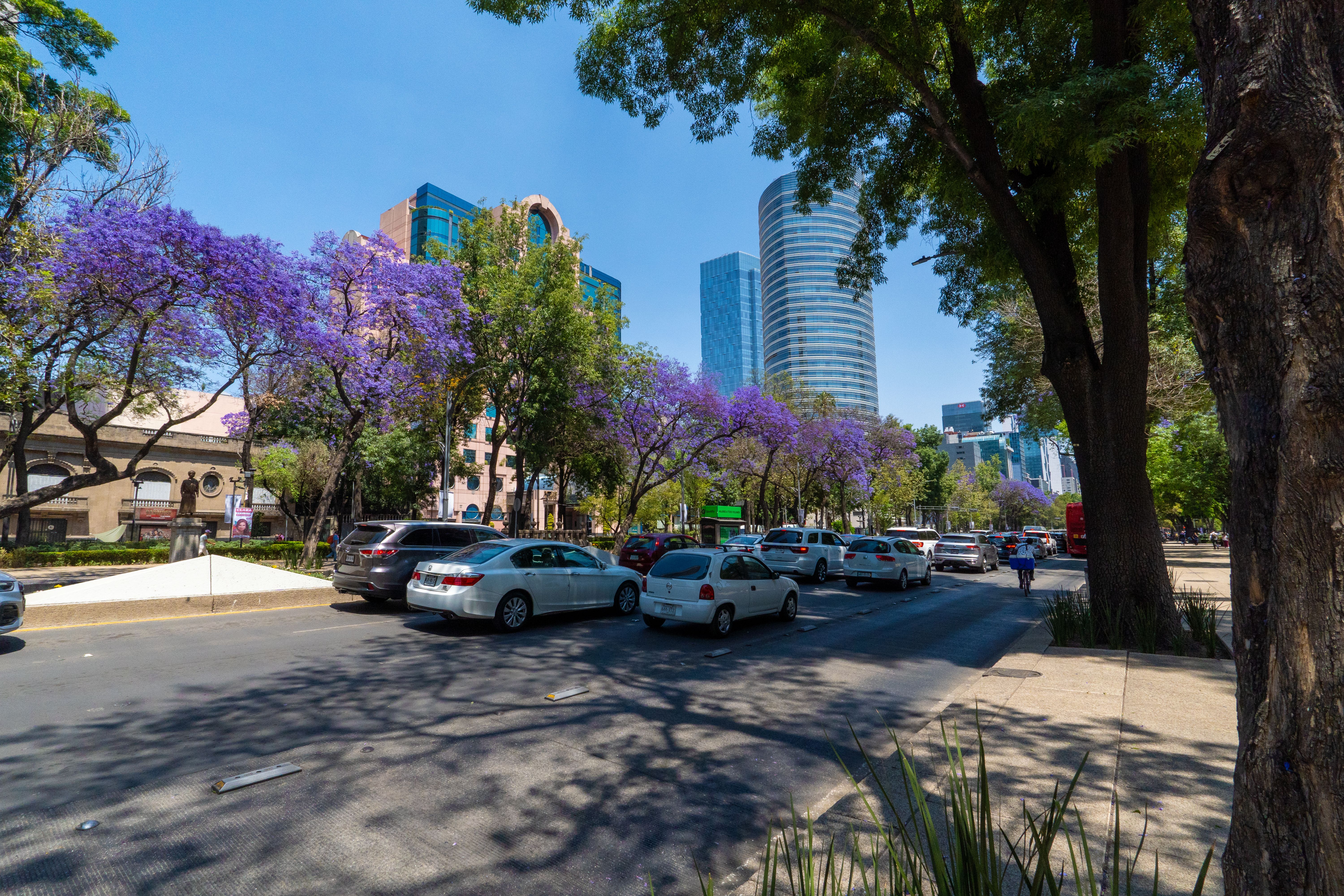
Daily city driving and long-distance highway driving are two different risk conversations. The single most repeated piece of advice from people who've lived here a while: avoid long-distance driving at night, especially as a newcomer. Poor lighting, unmarked speed bumps, animals, and remote stretches stack up fast after dark. Favor toll roads over free roads for long trips where practical, carry proper Mexican auto insurance (this is non-negotiable), and don't blindly follow a navigation app down an unfamiliar rural shortcut. Plan to arrive before dark.
Safety is more than crime
One reframe that catches people off guard: safety isn't only about crime. Hurricanes and tropical storms matter on the coasts, earthquakes matter in places like Mexico City and Oaxaca, and heat, flooding, and air quality are real seasonal factors depending on where you land. A city can have an excellent crime-safety reputation and still be a poor personal fit if the summer heat, the flood risk, or the healthcare access don't match your needs. Worth folding into the same decision.
A few emergency phrases are worth memorizing before you even need them. The national emergency number is 911. "Necesito ayuda" (I need help), "Llame al 911, por favor" (Call 911, please), and "Necesito una ambulancia" (I need an ambulance) are the ones to have ready.
Where this stops being general
This is the honest shared framework. What it can't do is tell you which specific city and neighborhood match your risk tolerance, your family situation, your budget, and how you actually plan to live day to day. A solo woman, a family with teenagers, and a retired couple should weight these factors very differently, and the same place can be a great fit for one and wrong for another.
And here's the promise I'll make that a lot of guides won't: if a place isn't a good safety fit for your situation, I'd rather tell you that plainly than sell you a fantasy. Sometimes the honest answer is a different city than the one you had your heart set on. Knowing that before you move is exactly the point.
This is general educational information, not legal, security, or emergency advice. Always check current official sources and local conditions before you rely on any safety information.