

Renting and Buying a Home in Mexico
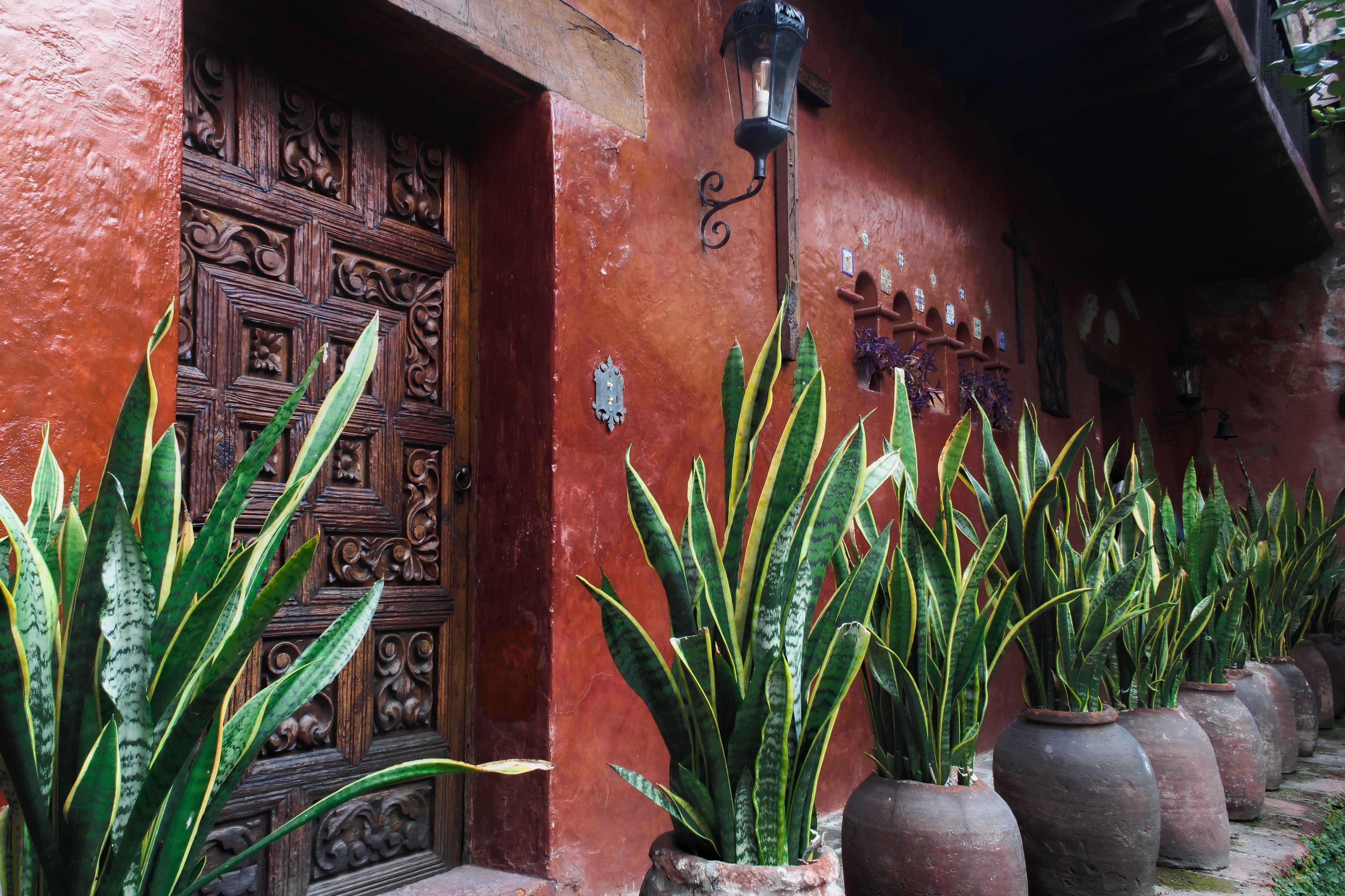
Housing is the decision that quietly sets the tone for your whole life in Mexico. Where you live shapes your transportation, your daily costs, your safety comfort, your kids' commute, your internet, even your electricity bill in the summer. So the honest way to think about housing here is not "what's the rent," it's "what's this place going to cost me, all things considered?"
Here's how renting and buying actually work, and the mistakes I see people make most.
Rent before you buy, almost always
If you take one thing from this, take this: most newcomers should rent first and buy later, if at all.
A vacation proves you're attracted to a place. It does not prove you can live there. A town that feels perfect for ten days in February can feel very different in the summer heat, during rainy-season flooding, in high-season traffic, or once you're doing real grocery runs and school drop-offs every day. Renting first lets you test the daily reality before you tie up a large amount of capital in a place, and a property, you don't fully understand yet.
Buying too fast is one of the most expensive mistakes people make here. Rent for several months at minimum, ideally through more than one season, before you even think about buying.
"Rent" actually means five different markets
People say "rent in Mexico" as if it's one thing. It isn't. Long-term local rentals, furnished snowbird rentals, tourist-zone condos, expat-facing listings, and short-term vacation rentals are completely different markets at completely different prices.
A furnished, foreigner-facing, high-season beach rental can cost several times what a comparable unfurnished annual rental a few streets inland costs. The convenience is real, but so is the premium. If you judge the cost of living by Airbnb or English-language expat listings, you'll badly overestimate what it actually costs to live here.
The real listings are often in Spanish
The best-value rentals are frequently not on polished English real estate websites. They're on Facebook Marketplace, in Spanish-language Facebook rental groups, on "se renta" signs taped to buildings, and word of mouth.
English expat groups are easy and useful, but they skew furnished, seasonal, and higher-priced. If budget matters, you need to compare them against local-market sources. A few Spanish search terms that open up the local market:
renta casa [city]andrenta departamento [city]renta largo plazo [city]orrenta anual [city]for long-termdepartamento amueblado [city]for furnished
Walking your target neighborhood and calling the signs on the buildings genuinely works, and it surfaces places that never appear online.
Land somewhere temporary first
For most people, booking a short-term furnished place for the first few weeks is far safer than signing a year lease sight-unseen from another country. A temporary landing spot lets you walk neighborhoods, view places in person, compare real local prices, and avoid a rushed remote deposit.
If you must arrange something before you arrive, treat it with real caution. Confirm the exact address, insist on a live video walkthrough, verify the landlord's identity and proof they actually control the property, read the lease, and keep a clear payment trail with receipts. Sending money for a place you've only seen in photos is the single riskiest thing you can do in the Mexican rental market.
The guarantor surprise
Here's one that catches a lot of foreigners off guard: many landlords ask for a fiador or aval, a Mexican guarantor, often someone who owns property locally and will back your rental obligations. Most newcomers can't provide this, because they don't have a property-owning local contact.
It's usually solvable. Common alternatives landlords will accept include a larger security deposit, several months paid upfront, a poliza juridica (a legal/insurance product that substitutes for a guarantor), proof of income and bank statements, or simply a landlord who's used to renting to foreigners. One caution: paying many months upfront can secure the place, but it also drains your leverage if the property or landlord turns out to be a problem.
Deposits, and protecting yours
There's no single universal deposit rule. You'll commonly see first month plus a security deposit, sometimes last month, sometimes a pet deposit, and sometimes several months upfront if you can't provide a guarantor.
However much you pay, protect it: view the property first, verify who you're actually paying, get the deposit terms and what can be deducted in writing, get receipts, and take dated move-in photos and video of every existing scratch and stain. For furnished places, make an inventory list. These small steps are what stand between you and a "mysteriously" withheld deposit later.
Spotting a rental scam
Sending a deposit before anyone has proven the place is real, and theirs to rent, is where people get burned. Treat these as red flags: a price that's too good to be true, pressure to pay immediately, refusal to do a live video walkthrough, no exact address, no written lease, a "landlord" who says they're currently outside Mexico, unusual payment methods, or a mismatch between the name on the listing, the lease, and the payment account. Any one of those is a reason to slow down.
Neighborhood beats city
People agonize over which city and then pick a neighborhood almost at random. It's backwards. A great city with the wrong neighborhood for you is a bad fit. The same city can hold a walkable, convenient area and a spread-out, car-dependent one twenty minutes apart.
Before committing, check the specific area at different times of day: safety comfort in the evening, weekday and weekend noise, whether it floods in the rainy season, grocery and pharmacy access, the school commute, and parking. A useful test is simple: what do you need within a 10 to 20 minute reach of home, and does this spot deliver it? Ask locals, not just online reviews.
Rent is not your only housing cost
In hot cities especially, the rent number hides the real cost. Air conditioning is the big one. Mexico's electric utility, CFE, has a high-consumption residential tariff called Tarifa DAC, and if your usage crosses into it, your bill jumps sharply. Heavy summer AC use in a poorly shaded or top-floor, west-facing unit can add a meaningful amount to your monthly cost.
When you can, ask to see past CFE bills for the unit, and clarify whether any "utilities included" arrangement has a cap. Other costs that add up: internet installation, gas refills, water delivery, HOA or condo fees, and furniture if the place is unfurnished.
If you're thinking about buying
Foreigners can absolutely buy property in Mexico. But two things need to be clear up front. First, buying property does not automatically give you residency. That's a stubborn myth. Second, near the coast or a border, ownership works differently than you might expect.
The restricted zone and the fideicomiso
Mexican law restricts direct foreign ownership of land within roughly 50 km of the coast and 100 km of an international border, which is exactly where many people want to live. The standard, legal solution is a fideicomiso, a bank trust. The bank holds legal title as trustee, and you, the buyer, hold the beneficial rights to use, rent, improve, sell, and pass on the property. It's not a loophole and it's not the bank "owning your home," it's the normal structure for foreign residential purchases in that zone, and it comes with setup and annual trustee fees you should budget for.
Where buying genuinely goes wrong
A few situations deserve real caution. The notario publico is central to every Mexican property transaction, but the notario is not your personal lawyer looking out for your interests, and many buyers benefit from independent legal help. Pre-construction purchases carry developer, permit, and delivery risk. And ejido land (a communal land category) can look like a cheap dream and turn into a title nightmare, it needs specialized legal review before you go anywhere near it. Verifying clean title, seller authority, and any outstanding taxes, liens, or HOA debts is not optional.
Where this stops being general
Everything above is the shared playbook. What it can't tell you is which neighborhood in which city fits your budget, your pets, your kids' school, your work-from-home internet needs, and your tolerance for heat, or whether buying makes sense for your specific situation and timeline. Those answers change person to person, and getting them wrong is expensive.
And I'll say the honest part out loud: sometimes the right move is to rent modestly, keep your capital liquid, and not buy at all.