
Healthcare in Mexico
Healthcare is the topic where I see the most anxiety and the most bad information. People either hear "healthcare in Mexico is amazing and cheap" or "you'll die waiting in a public clinic," and neither extreme is true. The honest version is that Mexican healthcare is not uniformly excellent or uniformly poor. It varies by city, by facility, by specialty, by whether you need English, by urgency, and above all by your own health profile.
The right way to plan isn't to ask "is it good?" It's to build a layered plan and be honest about where you personally sit.
Think in layers, not a yes or no
Most people here end up using a stack of options rather than one system: farmacias for small stuff, private doctors and clinics for routine care, private hospitals for anything serious, public healthcare if they're eligible and choose to use it, insurance or savings to manage the big financial risk, and an emergency fund behind all of it. A good plan uses several of these on purpose. A weak plan leans entirely on one and hopes.
Farmacias: the everyday layer people underestimate
Here's something that genuinely surprises newcomers. Many pharmacies in Mexico have a doctor's office attached, a consultorio, where you can see a doctor for a very small fee, often without an appointment, for minor issues. Got a sinus infection, a rash, a stomach bug? You walk in, see a doctor, walk next door for the medication, and you're done for a few dollars.
It's one of the real conveniences of life here. But it has limits, and it's important to respect them. Farmacia doctors are for minor, non-emergency issues. They are not a plan for a chronic disease, a complex diagnosis, a serious symptom, or controlled medication. Convenient basic care is not the same as a healthcare plan.

Private care: cheap for routine, serious for major
Most foreign residents lean on private care because it's faster and gives you doctor choice and better odds of English-speaking staff. And routine private care is often very affordable out of pocket, a specialist visit, basic labs, or imaging can cost a fraction of what you'd expect from Canada or the US.
The trap is assuming that "affordable" scales to the big stuff. A private ER admission, surgery, an ICU stay, or cancer or cardiac care can be genuinely expensive. Treat routine care and major-hospital risk as two completely separate financial questions. You can comfortably self-pay the first while being one bad night away from a serious bill on the second, which is exactly why insurance or a real emergency fund matters.
The public system, honestly
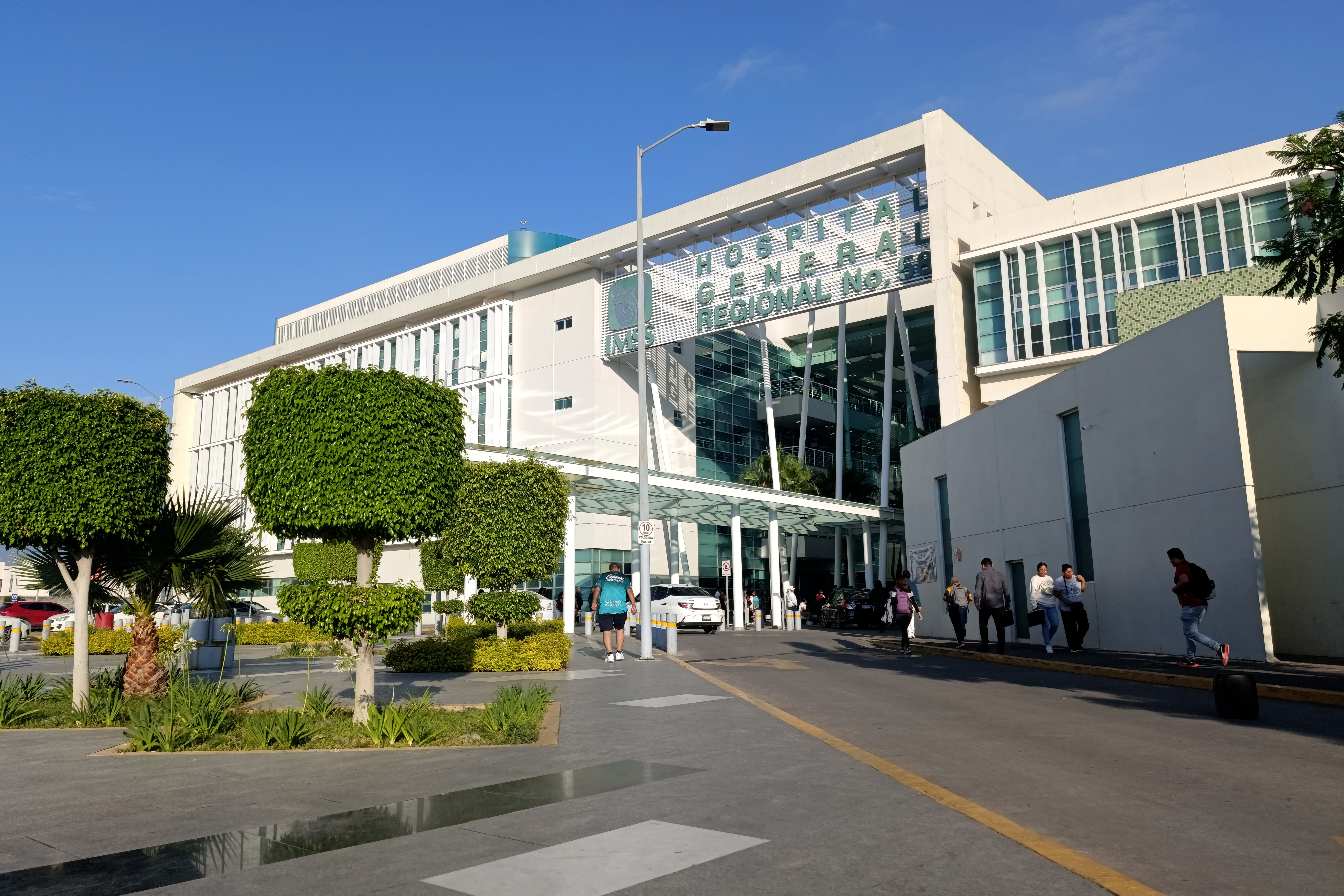
Mexico has public healthcare, mainly IMSS (tied to formal employment or a paid voluntary enrollment) and the expanding IMSS-Bienestar for people without social-security coverage. It can be part of a plan, especially for legal residents comfortable navigating in Spanish.
But I'd steer you away from relying on it as your only plan until you've personally verified eligibility, your assigned facility, pre-existing-condition rules, wait times, and the local capacity where you'll actually live. Voluntary IMSS enrollment in particular comes with medical questionnaires, fees, waiting periods, and exclusions. It's a supplement for most foreigners, not a safety net you can assume.
Insurance: the words that actually matter
If you're going to carry private insurance, a handful of terms decide whether the policy actually protects you. A deductible is what you pay before coverage kicks in. Coinsurance is the percentage you still owe after that. An exclusion is what the policy simply won't cover. A pre-existing condition is a health issue you already have, which many policies limit, delay, or deny. And direct billing (the hospital bills the insurer directly) versus reimbursement (you pay first and claim later) is a bigger deal than it sounds, because reimbursement means you may need to front a large hospital deposit and wait to get it back.
The single most important thing: pre-existing conditions and age drive both price and eligibility hard. If you're past 60, and even more so past 65 or 70, get a real quote before you fall in love with a city, not after.
Medications: don't assume
Mexico has excellent pharmacy access and many common medications and generics are cheap and easy. But "easy" is not universal. Don't assume until you've checked, especially for anything controlled, psychiatric, ADHD-related, pain-related, refrigerated, injectable, or specialty.
The practical question to ask yourself: do I rely on any medication that would be hard to substitute? If yes, verify it's available in Mexico by its active ingredient (not just the brand name you know), the right dose and formulation, and the local prescribing rules, all before you commit to a city. One note that catches people off guard: antibiotics legally require a prescription here, so the old "just grab some at the pharmacy" idea doesn't apply.
If you have a chronic condition, healthcare picks your city
For a healthy person, healthcare is a box to check. For someone with a serious chronic condition, specialist dependency, or complex medication needs, it becomes the first filter on where you can live, ahead of the beach or the charm.
The reality is that advanced care (complex cardiology, oncology, dialysis, serious specialists) concentrates in the major medical hubs. A smaller or coastal town might be wonderful for routine care and still mean traveling to a bigger city for anything advanced. If that describes you, verify specialist access, medication availability, insurance exclusions, and the emergency-transfer pathway before you choose, not the honeymoon version of the town.
The emergency question
Here's the question I want everyone to be able to answer before they move: if something serious happens tonight, where would you go, how would you get there, how would you communicate, and how would you pay?
The national emergency number is 911, though local response and ambulance access vary. Private hospitals frequently require a deposit, a credit-card hold, or insurance authorization before or during treatment. The nearest clinic is not always the right hospital for a real emergency, and smaller cities often stabilize a serious case and transfer it to a larger hub. Knowing your answer to that question in advance is the difference between a scary night and a catastrophic one.
Dental: the genuine win
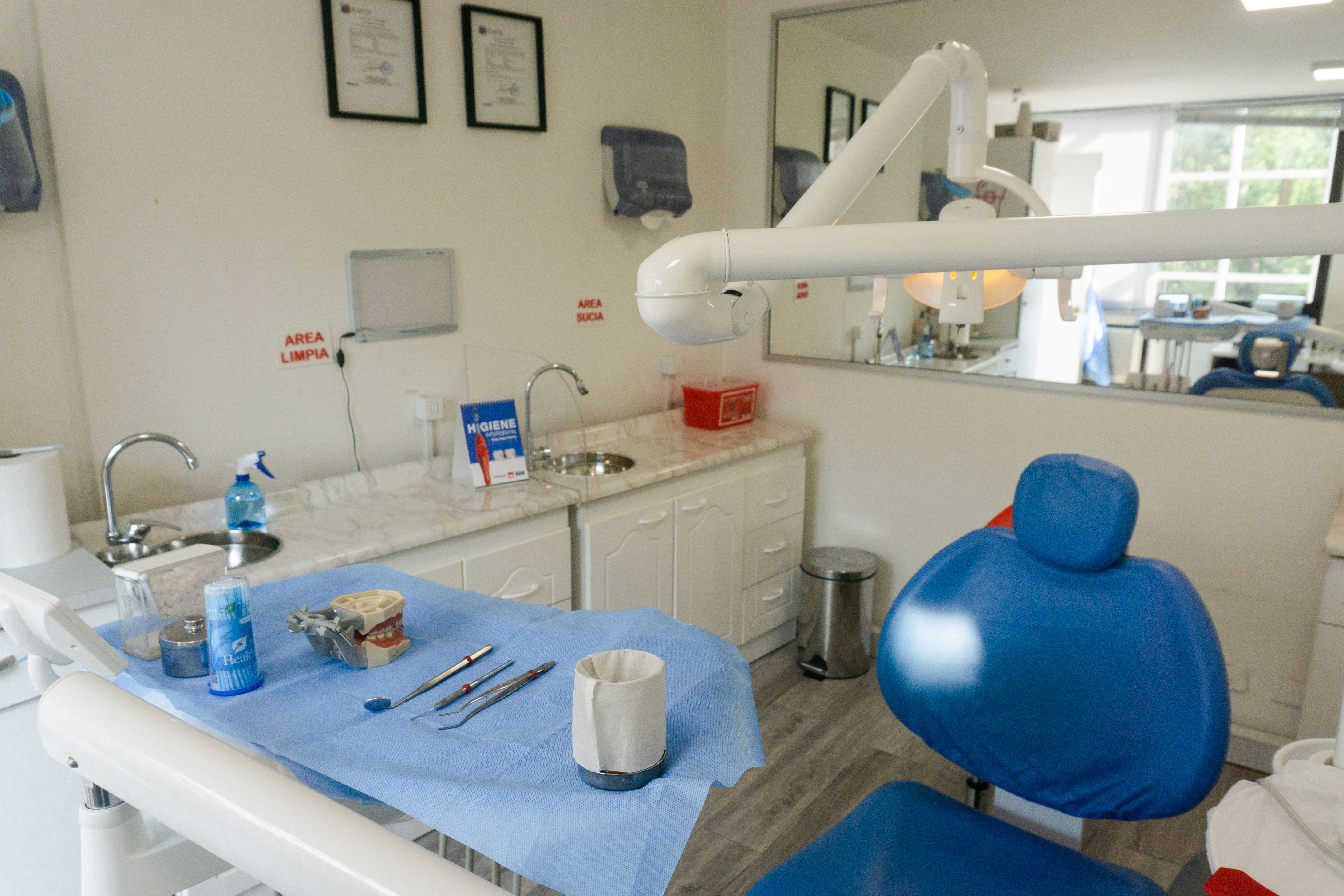
Dental care is one of Mexico's real advantages, and this one lives up to the reputation. Cleanings, fillings, crowns, implants, and orthodontics are commonly a fraction of North American prices, and the quality at good clinics is excellent.
The one caution: don't pick a dentist for major work on price alone. For crowns, implants, or full-mouth work, do the same due diligence you would anywhere, training, clinic standards, a written treatment plan, and a clear policy on follow-up and complications. As a resident you want ongoing care and someone to call if something goes wrong, not just the cheapest one-time quote.
Where this stops being general
This is the honest shared picture. What it can't tell you is how much weight healthcare should carry in your specific move, because that depends entirely on your health, your medications, your age, your insurance situation, and how close you need to be to advanced care. The same city is a great fit for a healthy remote worker and a poor one for someone managing a serious condition.
And I'll be straight with you: for some people, the healthiest decision is to keep major care in their home country, or to choose a bigger city than the postcard town they had in mind. Knowing that honestly, up front, is worth far more than a reassuring generalization.
This is general planning information, not medical or insurance advice. If you have real medical or insurance questions, please work them through with qualified professionals before you move.