

Daily Life and Culture in Mexico: What It Actually Feels Like
Most relocation advice obsesses over the paperwork and the money and then goes quiet on the thing that actually determines whether you'll be happy: what your ordinary Tuesday feels like. You can qualify for residency, afford the rent, and pick a famous city, and still be miserable if the daily rhythm of the place doesn't fit who you are. This is the part nobody budgets for, and it's the part I want to be honest with you about.
You can afford it and still be unhappy
The central question isn't only "can I afford Mexico?" It's "can I build a normal, repeatable, satisfying life in the specific place I'm choosing?" Lifestyle fit is one of the biggest make-or-break factors in a successful move, and it's the one people most often skip because it's harder to put in a spreadsheet.
So as you read the rest of this, hold your real daily life in mind, your energy level, your need for quiet or buzz, your tolerance for heat, your social needs, not the highlight reel from your last vacation.
Spanish: how much you really need
Here's the honest version. You can absolutely start with limited Spanish in expat-heavy and tourist areas. But the more Spanish you have, the easier, cheaper, safer, and richer your daily life becomes. That's not a moral lecture, it's a practical fact.
English shows up in tourist zones, private hospitals, real estate offices, international schools, and expat hubs. Spanish is what you need for government offices, banks, local landlords, repair workers, mechanics, markets, and any friendship that goes deeper than small talk. Translation apps are genuinely useful for menus, messages, and simple errands, but they fall apart exactly when it matters most: medical nuance, a problem at your kid's school, anything legal, or an emergency.
The mismatch I see most often: someone wants cheap, local, authentic living but only wants to operate in English. Those two goals fight each other. The cheapest and most local life runs on Spanish. You don't need fluency before you move, but basic Spanish belongs in your plan, not on a someday list.
Daily life runs on WhatsApp, cash, and relationships
This surprises nearly everyone. A huge amount of daily life here runs through WhatsApp, cash, personal referrals, and in-person relationships, not email, online booking, and web portals. Your landlord, your kid's teacher, your doctor, your cleaner, the guy who delivers water, the parent group at school, they're all on WhatsApp. Refusing to use it makes life genuinely harder.
Same with cash. Cards and transfers are common, but you'll still want cash for markets, tips, taxis, parking helpers, and street food. And a lot of good service comes through referrals and treating those relationships well, rather than through a five-star review app. Once you stop fighting this and lean into it, daily life gets smooth. Fighting it just makes you frustrated.
Bureaucracy runs on patience
Administrative tasks here often mean in-person visits, printed copies, signatures, repeated follow-ups, and, frustratingly, different answers from different offices or even different staff on different days. This touches residency, banking, utilities, schools, and vehicles.
This doesn't mean the systems are broken. It means the winning strategy is patience and organization: build extra time into your plans, keep both printed and digital copies of everything, don't stack five high-stress tasks into your first week, and accept that professional help is worth paying for on the complex stuff. The people who struggle most are the ones with low Spanish and low patience at the same time.
The beach-vs-inland surprise
Here's an insight worth sitting with. A lot of people are certain they want the beach, when what they actually want is warm-but-comfortable weather, good restaurants, walkable streets, culture, and community. Those things are often a stronger year-round fit inland, in the higher-altitude colonial cities, than on a hot, humid coast.
A winter beach vacation does not prove that full-time coastal living will feel good in the hottest, wettest months. Ocean views cost far more than simple beach access. And small beach towns can be weak fits if you need serious healthcare, schools, or reliable work internet. None of this means don't move to the beach, plenty of people love it. It means be honest about whether you want the beach or the feeling you're attaching to the beach.
Noise is a real decision, not a footnote
If you're at all noise-sensitive, treat this as a major housing factor, not an afterthought. Mexico isn't uniformly loud, but noise varies enormously by street, building, and season: music, fireworks, dogs, roosters, church bells, construction, beach clubs, short-term rentals, and local fiestas all feature.
The practical move is to visit a property at different times before signing, a weekday morning, a Friday night, a Sunday. A beautiful condo is not automatically a quiet one, and a short low-season visit can completely hide what the place is like during high season or festival week. Being highly noise-sensitive while choosing a Centro apartment, a beach strip, or a nightlife block is one of the most common self-inflicted mismatches there is.
Food, festivals, and the rhythm of the year
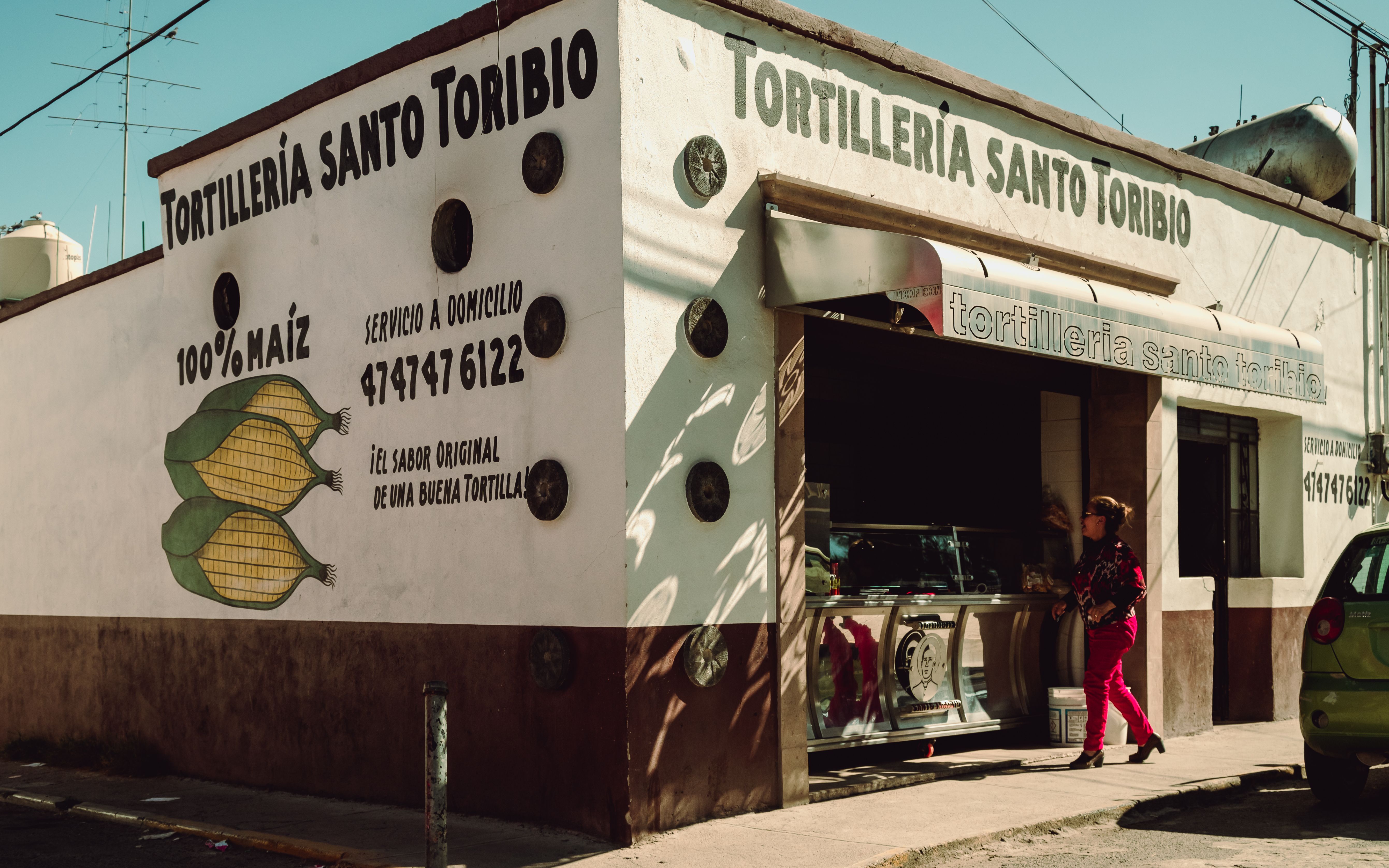
Food here can be cheap and wonderful if you shop and eat locally, markets, tortillerias, regional cooking. It gets expensive fast if you rebuild a North American grocery cart out of imported products and eat mostly in tourist-zone restaurants. A mixed pattern is normal and reasonable.
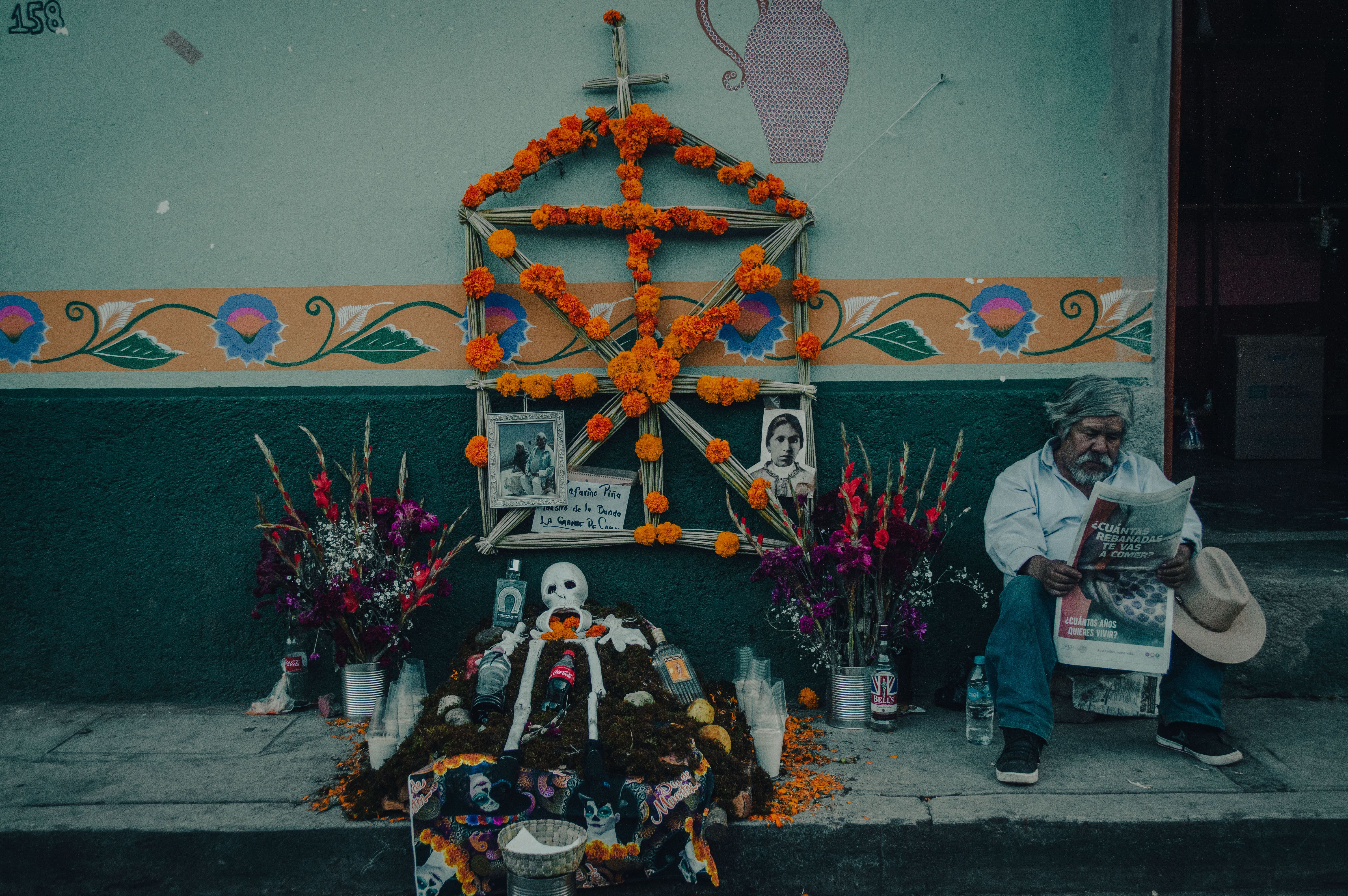
The calendar matters too. Holidays and festivals like Semana Santa (Easter), Christmas, Dia de Muertos, and local celebrations such as Carnivals affect banks, government offices, traffic, rental prices, and noise. Beach towns pack out and get loud during peak periods. It's part of the charm, but it means you don't want to schedule critical bank or residency errands during a holiday week, and you don't want to judge a town's normal daily life by how it feels during its busiest festival.
The expat bubble question
Expat communities are genuinely useful, especially in your first year, English-speaking services, referrals, instant social connection, and a softer landing if your Spanish is limited or you're moving alone. I won't pretend otherwise.
The honest tradeoff is that expat-heavy areas often cost more, and if you never leave the English-speaking bubble, your Spanish stalls and you end up with a slightly distorted view of the country you moved to. The mismatch to avoid is wanting deep local authenticity while only ever using tourist and expat channels. For most people, a mixed neighborhood is a smarter first step than trying to go fully local from day one, or never leaving the bubble at all.
Community doesn't happen automatically
One of the biggest real risks of moving abroad, especially for single people, retirees, and remote workers, is isolation. And here's the thing people underestimate: friendliness is not the same as friendship. A place can feel warm and welcoming and you can still be lonely if you don't build repeated contact through something, a class, a gym, a golf group, volunteering, school parents, a language exchange, or just becoming a regular somewhere.
A cheaper, isolated rental can quietly cost you your community and your quality of life. If you're moving alone or working from home all day, a deliberate social routine isn't optional, it's the thing that makes the move work.
Move with humility
Something that should be said; Mexico is not a lifestyle product built for foreigners. It's a country where millions of people already live, work, raise families, and deal with real pressures, including rising costs in some of the areas expats flock to. The people who integrate well move with humility: they learn basic Spanish, they greet people before making requests, they're patient with workers, they follow local rules even when enforcement seems loose, they pay fairly, and they resist the urge to constantly compare everything to home.
The people who struggle are usually the ones who expect everyone to speak English, treat local systems as broken because they're different, and approach the whole country as a cheap convenience. You don't have to stop being who you are. You do have to respect that you're the guest here. Honestly, this mindset shift is a bigger predictor of a happy move than budget or city choice.
Where this stops being general
This is the shared human picture. What it can't tell you is which specific city and neighborhood match your personality, your pace, your social needs, your Spanish level, and your tolerance for heat and noise, because that's deeply individual. The same town that's a dream for a culture-loving Spanish learner is a lonely mismatch for someone who wanted an English-speaking beach community, and vice versa.
And here's my honest promise: sometimes the right answer is that the place you had your heart set on isn't the place that fits how you actually want to live. I'd much rather help you figure that out before you move than watch you learn it the expensive way.