

What It Really Costs to Live in Mexico
The most common question I get is "how much do I need to live in Mexico?" And the honest answer is that there's no single number, because Mexico isn't one place with one price tag. A modest local life in an inland city and a furnished ocean-view condo with private school and a car are both "living in Mexico," and they cost wildly different amounts.
So the better question isn't "what does Mexico cost." It's "does my budget realistically match the version of Mexico I'm actually picturing?" That's the question worth answering honestly before you move.
Affordable, not automatically cheap
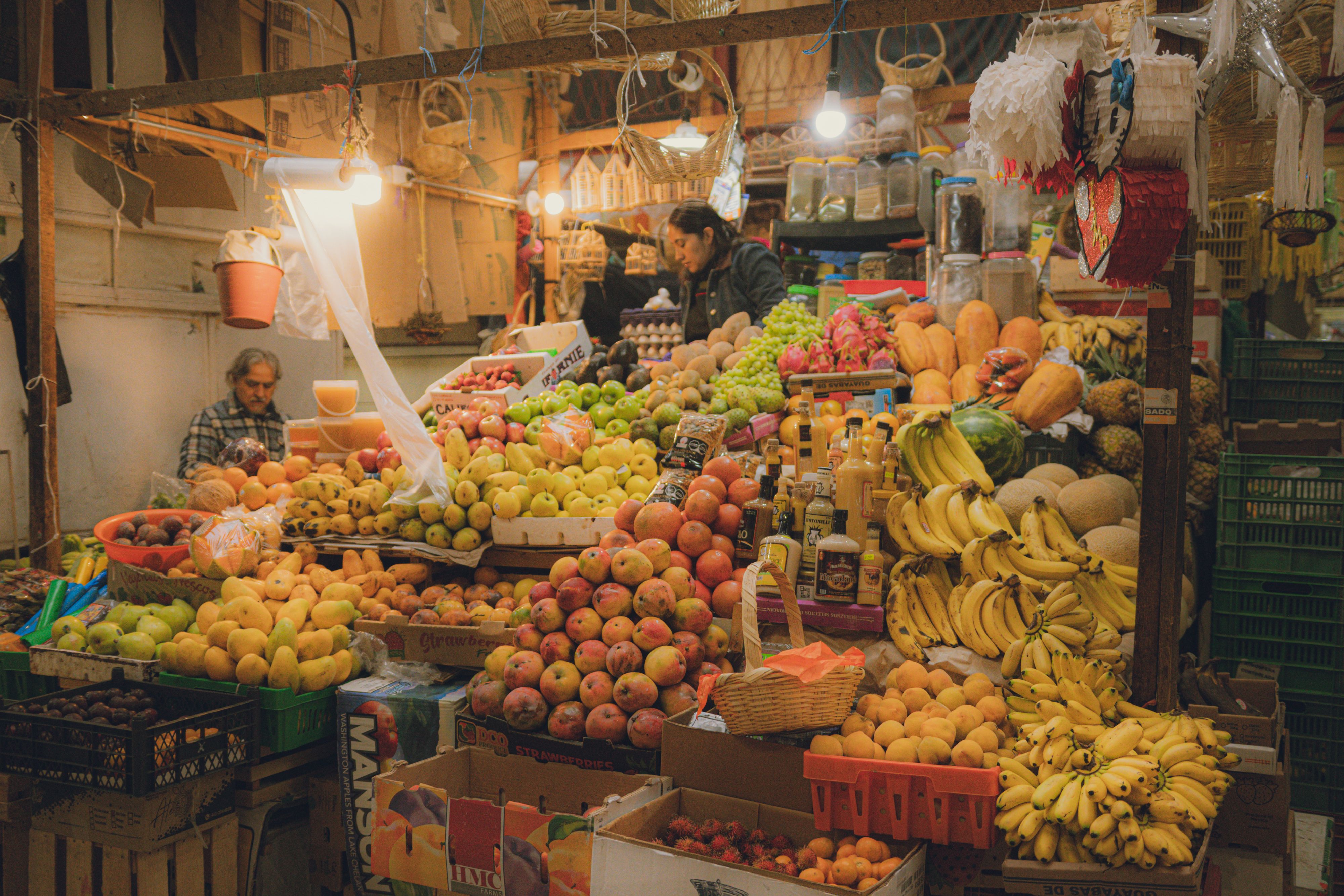
Mexico can absolutely stretch your money further, especially on housing, healthcare, and help around the house. But the "everyone lives like royalty for pennies" story is a trap. Furnished expat-facing rentals, imported groceries, private international schools, tourist-zone restaurants, car ownership, and frequent flights home can quietly rebuild the exact cost structure you left behind.
If you move here expecting local prices but living an imported lifestyle, Mexico will feel expensive and you'll be caught off guard. The people who do well are the ones who match their spending to a realistic picture of their life here.
The honest budget bands
These are rough, illustrative monthly figures, not promises. What you actually need depends on your city, neighborhood, household size, healthcare, and lifestyle.
Before the numbers, one thing. Just like back home, the same city can hold a cheap life or an expensive one, and the difference is mostly you. So treat these as broad averages, not price tags. Rent is the biggest lever, and the rest is how you like to live. Live like a local and you can spend like one.
But to give you real anchors instead of hand-waving:
- Around $1,500 USD (approx. $2,190 CAD) per month can work for a single person with modest expectations in a lower-cost city or a local neighborhood. It's tight, and it's not a safe budget for premium beach living, a family, or serious healthcare needs.
- Around $2,500 USD (approx. $3,650 CAD) per month gives a single person real flexibility if rent is controlled and the neighborhood supports no-car living.
- Around $3,000 USD (approx. $4,380 CAD) per month can work for a retired couple in many places, with careful attention to rent and healthcare.
- Around $4,000 USD (approx. $5,840 CAD) per month for a family with private school is often tighter than people expect once you add two tuitions, larger housing, a car, activities, and flights home.
- Around $5,000 USD (approx. $7,300 CAD) per month and up starts to buy genuine flexibility and premium housing in most cities.
The lesson in those numbers: household size and lifestyle move the figure far more than the city does.
The cost almost everyone forgets: the first year
Here's a distinction that trips people up. Monthly affordability and move readiness are not the same thing. You can comfortably afford normal monthly life here and still get burned by the first year, because the first year costs more than a normal year.
Front-loaded costs include temporary housing while you search, rental deposits (often first month plus a security deposit, sometimes more), furniture and appliances if the place is unfurnished, residency and document fees, apostilles and translations, school inscription and uniforms, and any vehicle or pet costs. None of that shows up in your "monthly budget," and all of it hits at once. Budget the transition separately from the ongoing life.
Currency risk is real
If you earn in Canadian or US dollars but spend in pesos, the exchange rate is a silent line item in your budget. Your pension might be perfectly stable in dollars and still buy noticeably less in Mexico if the rate moves against you. Some landlords even quote rent in USD while your income is in CAD, which stacks two currencies against each other.
For fixed-income retirees especially, build in an exchange-rate buffer and factor in transfer fees, ATM fees, and foreign transaction fees. Think in pesos for local spending, even while you track your savings in your home currency.
Your emergency fund is part of the budget
A budget that only works if nothing goes wrong isn't a plan, it's a hope. A monthly number can look fine while the whole move is fragile, because one medical bill, one deposit dispute, one emergency flight home, or one car repair can wreck a budget where every peso is already assigned.
As general guidance, many single people and healthier couples should aim for 3 to 6 months of expenses in reserve. Families, retirees, people with health conditions, anyone with variable income, and those in more expensive cities should lean toward 6 to 12 months or more. The cushion is not optional spending, it's what makes the whole thing safe.
The hidden monthly cost: electricity
In hot, humid cities, the rent number hides the real cost, and the culprit is almost always air conditioning. Mexico's electric utility, CFE, has a high-consumption residential tariff called Tarifa DAC. Cross into it with heavy summer AC use, and your bill jumps sharply. A poorly shaded, top-floor, west-facing unit with old AC units can cost a lot more to keep cool than a well-designed one down the street.
Before you rent in a hot city, ask to see the last several CFE bills, ideally including summer months, and clarify whether any "utilities included" deal has a cap. This one check saves people from a nasty surprise in July.
Internet: verify the exact address
If your income depends on the internet, treat connectivity as a housing requirement, not a nice-to-have. And here's the key thing: internet quality in Mexico is intensely local. A city can have great internet overall while one specific building has weak service.
The real providers here are Telmex/Infinitum, Totalplay, Izzi, Megacable, and Starlink for rural or backup situations, with fiber being the strongest option where it's installed. There's no single best provider nationally, only the one that's reliable at your exact address. Two practical rules: get a live speed test from inside the actual unit before signing, and check the upload speed, not just download. Most people only ask about download and get blindsided on video calls. If your work truly can't tolerate an outage, plan a backup (a mobile hotspot tested in the unit, or a second connection).
Phones: don't cancel your home number yet
A small tip that saves real headaches: don't cancel your Canadian or US phone number the moment you move. Test everything that texts you a code first, banking, brokerage, pension, tax, and government logins, because a Mexican number often won't replace your home number for that two-factor verification. A cheap way to handle this is a dual-SIM or eSIM setup that keeps the home number alive while you add local service.
You will want a Mexican number too. It's what landlords, doctors, schools, deliveries, and WhatsApp groups all run on, and daily life here effectively runs on WhatsApp.
Water and gas: a quick reality check
Two things newcomers from Canada or the US don't expect. First, water reliability varies by building and neighborhood, and homes rely on storage: a tinaco (rooftop tank) and often a cisterna (ground tank) with a pump. Ask how reliable water is and what the property has. And don't assume tap water is drinkable, most households drink from garrafones (large refillable jugs) or filtered water. Second, most homes cook and heat water with LP gas from a tank you refill, not a piped utility you forget about. Neither is a problem, they're just worth knowing before you sign.
Where this stops being general
Everything above is the honest shared picture. What it can't do is tell you whether your number works for your plan, because that depends on the exact city, the neighborhood, your household, your healthcare needs, your school situation, and your tolerance for tradeoffs. The same $3,000 USD is comfortable in one scenario and high-risk in another.
And I'll be straight with you where a lot of guides won't: sometimes the honest finding is that the budget doesn't yet match the dream, and the useful thing is knowing that now, along with exactly what would need to change, rather than moving and discovering it the hard way.