


August 11, 2026
Mexico Sends Firefighters North, and How Healthcare Really Works
Mexican crews battle BC wildfires, inflation hits a six-year low, and the honest guide to healthcare in Mexico.
Big week for the Mexico-Canada friendship. While BC burns, Mexico sent more than 300 wildfire crews north to help, and Canadians noticed. Also this week: cooler inflation, pricier cruises, and a health section I've been wanting to write for a while.
Trivia
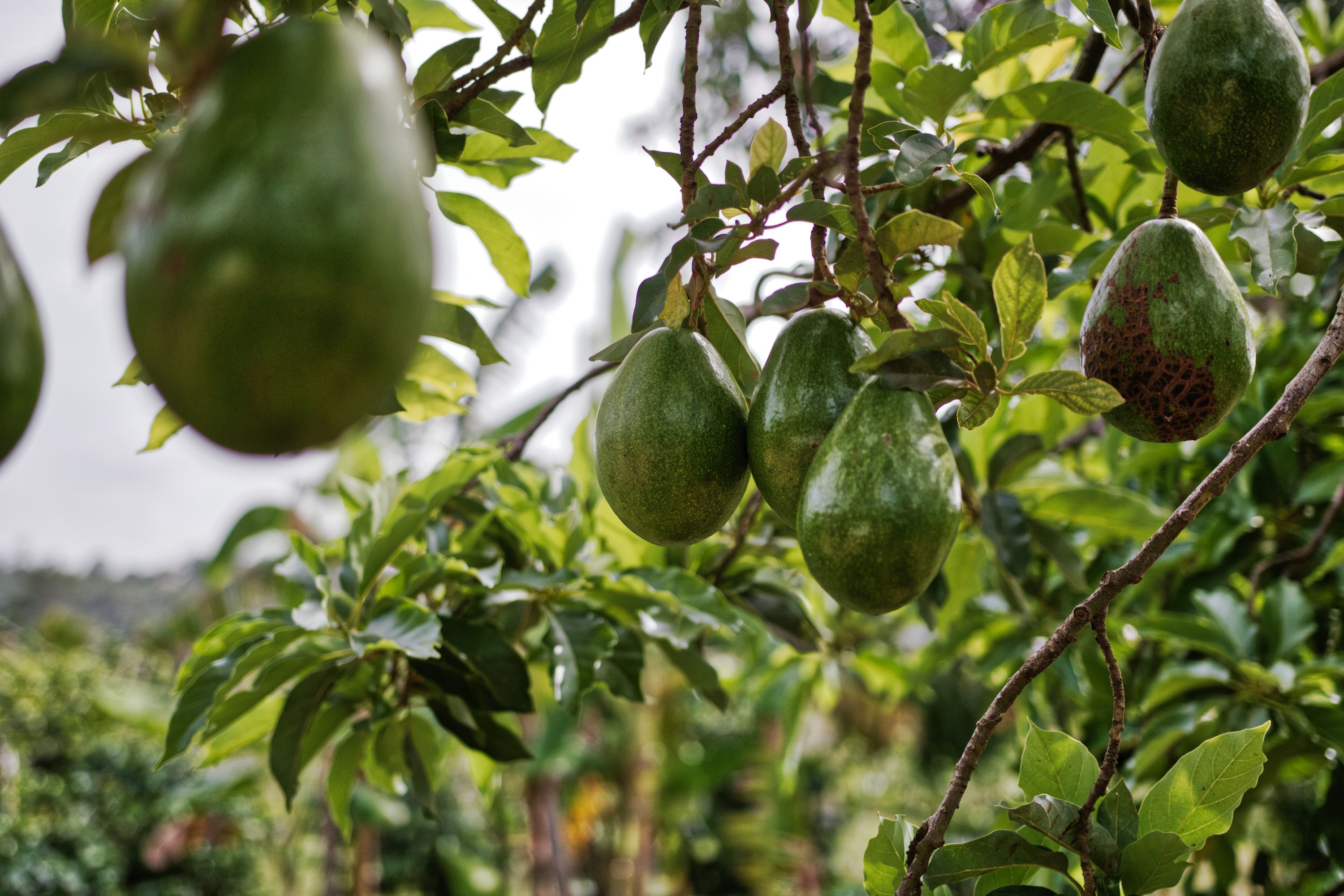
What percentage of the avocados eaten in the United States come from Mexico? Answer at the bottom.
This Week in Mexico
- Mexico's annual inflation came in at 3.12% for July, the lowest reading since 2020, though prices ticked back up in the second half of the month.
- Avocado exports to the US are flowing again after a week-long suspension over security threats in Michoacán, with about 75% of packing facilities cleared to resume.
- More than 300 Mexican wildfire crews arrived in British Columbia to help battle over 100 active fires that have pushed thousands from their homes.
- A youth soccer team from Tijuana is stranded in Colombia after the magnitude 7.4 earthquake damaged several airports there.
- FIFA president Gianni Infantino reportedly offered to move Mexico into Conmebol, South America's federation, in exchange for Mexico's vote against his removal.
- Mexico's cruise passenger fee doubled from $5 to $10 on August 1, with hikes to $15 in 2027 and $21 in 2028 already scheduled.
- Nearly three years after relaunching, state-owned airline Mexicana still can't fly from AICM, Mexico City's main airport.
- Taylor Farms recalled its Mexico-sourced jalapeños and cut ties with a Sinaloa supplier over a salmonella scare.
- Credit card spending in Mexico is accelerating at 8%, and analysts are warning that missed payments may follow.
Worth Knowing: How Healthcare Actually Works in Mexico

Healthcare is one of the first questions people ask me about Mexico. The honest answer is that it works differently than what you're used to, and once you understand the layers, it makes a lot of sense.
The first layer is the farmacia. Many pharmacies in Mexico have a small doctor's office attached, called a consultorio. You walk in with a sinus infection, see a doctor for a few dollars, get your prescription filled at the counter next door, and you're home within the hour. No appointment, no referral, no three-week wait. It's genuinely one of the best everyday conveniences in the country. It's also not a healthcare plan. Farmacia doctors are for colds, rashes, and stomach trouble, not for managing your heart condition.
The second layer is private care. Most foreign residents use private doctors, specialists, labs, and hospitals as their main system. It's faster than what many Canadians are used to and you pick your own doctor. Routine visits are often affordable enough to pay out of pocket. The catch sits at the hospital level. A serious event, surgery, ICU, a cardiac emergency, is real money, and private hospitals may want a deposit or a credit card hold before they get started. Routine care and hospital risk are two separate problems. Plan for both.
The third layer is public healthcare. IMSS and its cousins exist, and some foreign residents do enroll. But eligibility rules, waiting periods, pre-existing condition restrictions, and wait times all need verifying before you count on it. Treat public coverage as a possible piece of your plan, never the whole plan, at least until you've confirmed what you actually qualify for.
Which brings us to the real question, and it isn't "should I buy insurance?" It's "how would I pay for a bad night?" If the answer is private insurance, check the deductibles, exclusions, and whether your hospital does direct billing. If the answer is savings, make sure they're big enough for a hospital deposit. If you're over 60, price insurance before you move, not after. Premiums climb with every birthday.
One more thing worth verifying early: your medications. Common prescriptions are often easy and cheap to fill in Mexico. Controlled, psychiatric, or specialty medications are a different story, and you want that confirmed before you're standing at a pharmacy counter finding out the hard way.
There's more on this in the resources section at movetomexiconavigator.com.
Más México
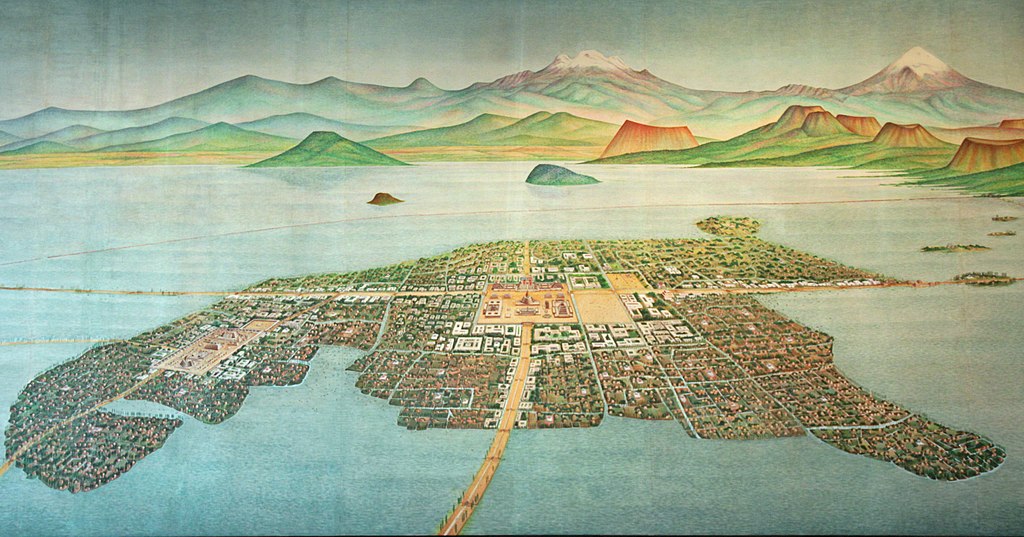
This Thursday marks 505 years since the fall of Tenochtitlan. When the Spanish first saw the Aztec capital in 1519, some of them wondered aloud if they were dreaming. It was an island city in the middle of a lake, home to perhaps 200,000 people, bigger than almost any city in Europe at the time. Three great causeways connected it to shore. Canals ran through it instead of streets, aqueducts carried fresh water in from Chapultepec, and farmers grew crops on chinampas, artificial islands built right on the lake. The market at Tlatelolco drew tens of thousands of traders a day.
On August 13, 1521, after a siege of nearly three months, it fell to Hernán Cortés and his tens of thousands of Indigenous allies. The last emperor, Cuauhtémoc, was captured escaping by canoe. He was 25. The Spanish built their capital directly on the ruins, and that city is Mexico City, the country's modern heart sitting stone on stone on its ancient one.
If you're past the daydreaming stage and starting to plan, the free guides at movetomexiconavigator.com cover residency, healthcare, cost of living, and more. Start anywhere. They're built to be read in any order.
Trivia Answer
More than 80%. The vast majority of avocados eaten in the US are grown in Mexico, mostly in Michoacán, a trade worth about $3.7 billion in 2025. Which is why a one-week inspection pause makes headlines in both countries.
Nos vemos (See you).
Corey
Some links go to Spanish-language sources. In Chrome or Edge, right-click the page and choose Translate to English. On iPhone Safari, tap the AA icon and choose Translate.