


September 22, 2026
Hurricane Season, Explained From the Coast
A Category 5 off the Pacific, what storm season really means for coastal living, and the day independence was actually won.
Hurricane Polo is spinning off the Pacific coast as a Category 5 this week, so this issue leans into the weather, both what is happening now and what a storm season really looks like once you live near a beach. Also a UN speech that insulted and complimented Mexico in the same breath, a digital bank that found a million customers in eight months, and the day independence was actually won.
Trivia
Mexico has 32 states. How many of them have a coastline? Answer at the bottom.
This Week in Mexico
- Hurricane Polo blew up to a Category 5 off the Pacific coast on Tuesday, with 160 mph winds, and is forecast to skirt the shore without making landfall. Guerrero and Michoacán get the heavy rain through Thursday, both states closed schools, and Guerrero opened 600 shelters just in case.
- Trump told the UN General Assembly that Mexico is the epicenter of narco trafficking and that sharing a border with it is unacceptable, then said his relationship with Sheinbaum is very good. Same speech.
- The ban on cellphones in preschool, primary and secondary schools is now official law, published in the DOF with a short list of exceptions. If you have school-age kids, the rulebook just changed.
- Revolut passed one million customers in Mexico less than eight months after opening as a full bank in January, built from scratch with $167 million USD behind it.
- Aeroméxico admitted a cyberattack exposed customer names and phone numbers along with other personal data. If you have an account, be suspicious of any message that knows your name and wants you to click something.
- In Mexico City, so many US deportees have found call-center work in the Tabacalera neighborhood that locals now call it Little LA.
- Sheinbaum admitted IMSS Bienestar's medicine supply is not at 100%, after shortages in Veracruz and the deaths of five newborns at an IMSS hospital in Durango that Cofepris is now investigating.
- The peso is holding around 17.2 to the dollar ahead of Thursday's Banxico decision. The Fed raised rates last week and the market expects Banxico to sit tight at 6.50%.
- Foreign tourist arrivals are down, and Mexico's hoteliers want the money collected from the non-resident visitor fee spent on promotion abroad instead of wherever it goes now.
- IMPI is giving professional luchadores a 90% discount to trademark their ring names, after wrestlers said the cost was the main thing stopping them.
Worth Knowing: Hurricane Season on the Coast
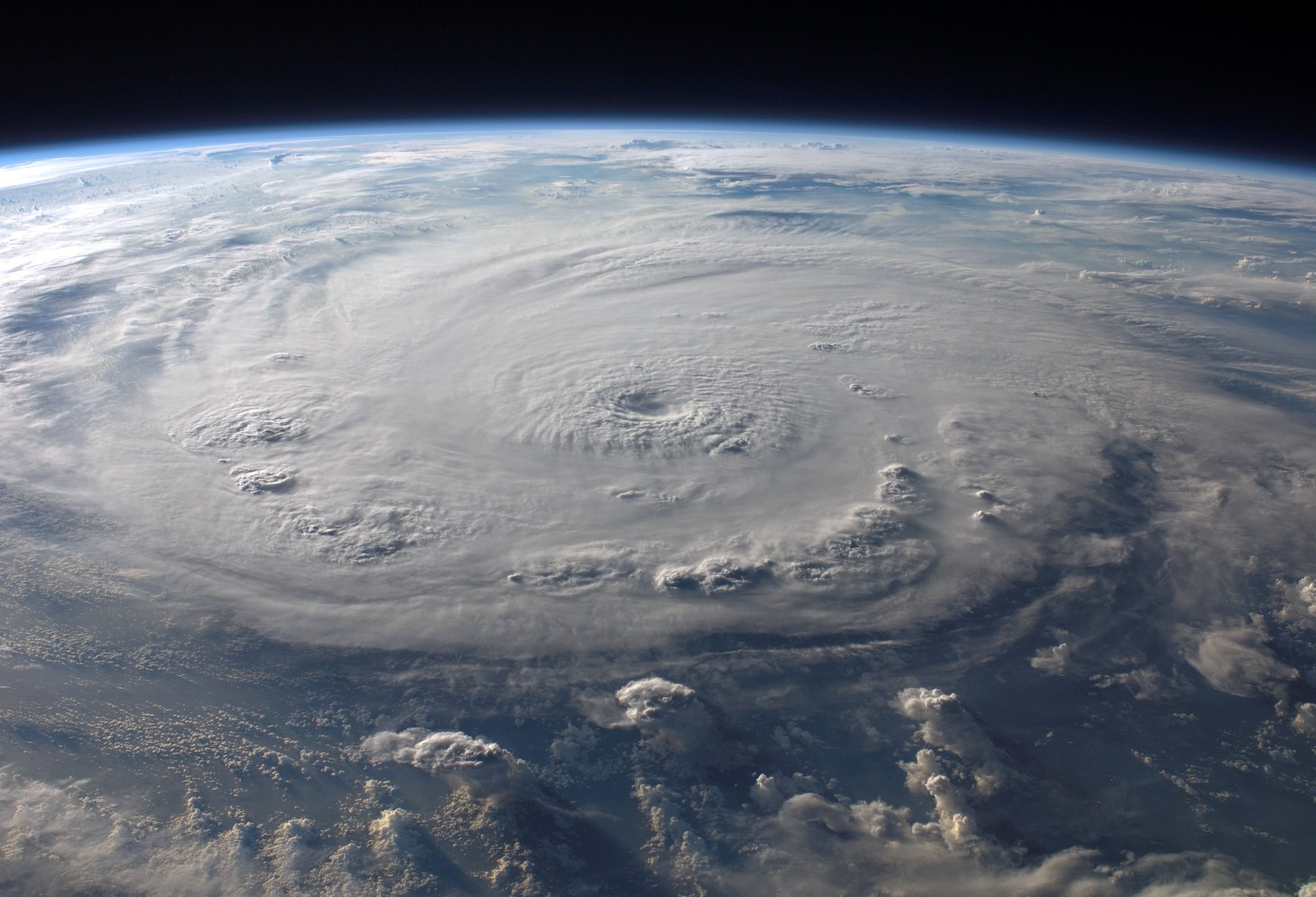
Polo is sitting off the Pacific coast as a Category 5 this week, which makes it a good time for a question anyone considering a beach town should be asking, and most don't. What does hurricane season actually mean once you live there?
First, the calendar. Pacific season runs May 15 to November 30. Atlantic season, which covers the Gulf and the Caribbean side, runs June 1 to November 30. Storms can form outside those dates, but they mostly don't. The busy stretch on both coasts is August through October, and that matters more than the official dates. If you are a snowbird who arrives in November and leaves in April, you will miss nearly all of it. If you live here year-round, you plan around it the way Canadians plan around January.
Second, the numbers. Long-term averages run about 15 named storms a year in the Pacific and 14 in the Atlantic. Most of them never touch Mexico. They form, spin out to sea, and get a name nobody remembers. A few brush the coast with rain and surf. Every few years one comes ashore hard. That is the honest shape of it. Long quiet stretches, then one bad week. This year has a strange footnote. As of this week the Atlantic has not produced a single hurricane, the longest any season on record has gone without one, while the Pacific keeps producing monsters. The super El Niño gets the credit for both.
Third, geography. The coast takes the hit, meaning the Pacific side from Oaxaca up through Jalisco, Sinaloa and the southern Baja peninsula, and the Caribbean side around the Yucatán Peninsula. Inland cities like San Miguel, Querétaro and Mexico City sit behind the Sierra Madre, which chews up the wind before it arrives. They get the rain and the flooding, not the storm. If storms are your dealbreaker, that is your answer, and it is a good one.
Now the part nobody likes. In October 2023, Otis went from a tropical storm to a Category 5 in under 24 hours and hit Acapulco with 165 mph winds. The day before, the forecast said a Category 1 at worst. It was the strongest Pacific landfall on record, and the forecasters did not see it coming. The lesson is that you prepare before the forecast is sure, because sometimes it never gets sure.
Here is what preparing looks like in practice.
- Ask about the exact street before you rent or buy. Drainage, ground-floor exposure, whether the access road floods. Two houses a block apart can have completely different storm weeks.
- Ask what happened in the last big storm. Landlords and neighbours know. A building that came through fine is worth more than one with a better view.
- Learn the colours. Mexico's civil protection alert system, SIAT-CT, runs blue, green, yellow, orange, red. Blue means a storm exists but is more than 72 hours out. Red means stay inside. Follow Conagua's weather service on X or Facebook and your state's Protección Civil page. That is where the real updates come from.
- Keep the basics on hand. Water, cash, a charged power bank, medications, and copies of your passport and residency card somewhere dry. Power goes out before the wind gets bad, and the ATM goes with it.
- If you own, confirm your insurance covers wind and flood. If you rent, ask your landlord what happens if it does not.
- Save 911. It works for police, ambulance, fire and civil protection.
The upside is real too. Most seasons on the coast pass with a few grey days, a couple of big-surf mornings, and a lot of checking the hurricane centre map with your coffee. Not nothing, but a long way from the disaster movie.
Más México
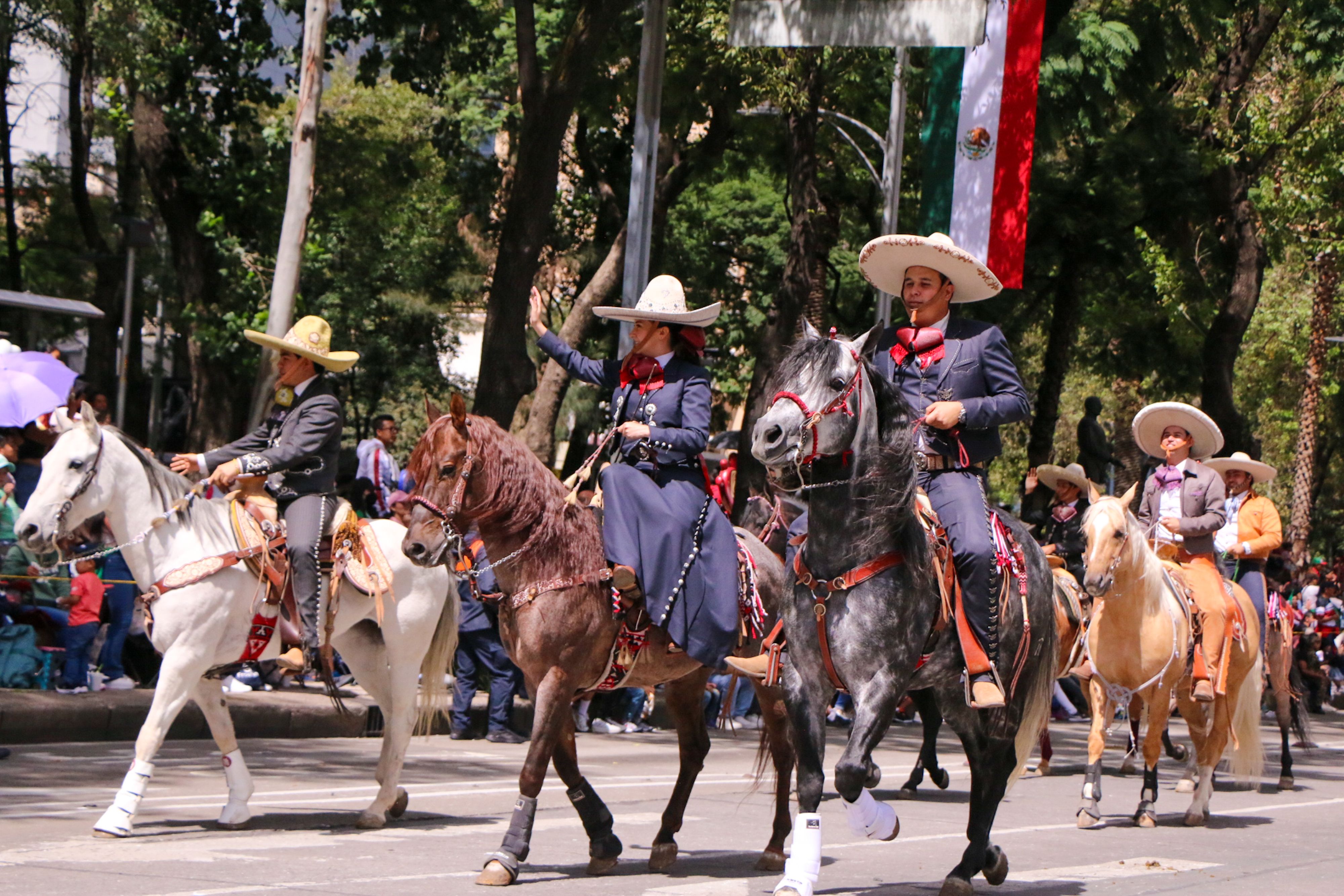
Mexico celebrates the start of its independence war on September 16. It barely notices the finish, which happened 205 years ago this Sunday.
Hidalgo's cry in 1810 started eleven years of war. Hidalgo was captured and shot in 1811. Morelos, the priest who took over, was shot in 1815. By 1820 the fight had shrunk to Vicente Guerrero and a few thousand men in the southern mountains, and the crown sent a royalist officer named Agustín de Iturbide to finish them. Iturbide met Guerrero in February 1821 and, instead of fighting, joined him. Their Plan of Iguala promised three things, religion, independence and union, so the combined force called itself the Army of the Three Guarantees, the Trigarante. Town after town went over to it without a shot. In August the last viceroy, Juan O'Donojú, signed the Treaty of Córdoba recognizing the obvious, and on September 27, 1821, Iturbide rode into Mexico City at the head of roughly 16,000 men. It was his 38th birthday. The Act of Independence was signed the next day.
Iturbide made himself emperor within a year, lasted ten months, was exiled, came back, and was shot in 1824. I think that is a big part of why the country remembers the priest with the bell and not the general with the parade.
If you are past the dreaming stage and into the planning stage, the free guides at movetomexiconavigator.com cover the practical side, topic by topic, from residency to banking to schools.
Trivia Answer
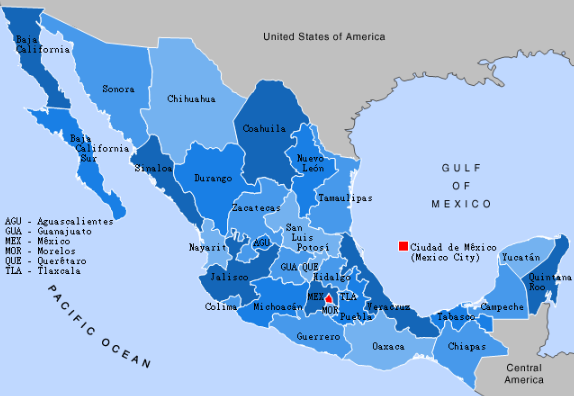
Seventeen. Eleven face the Pacific, from Baja California down to Chiapas, and six face the Gulf and the Caribbean, from Tamaulipas around to Quintana Roo. The other fifteen, Mexico City included, are landlocked.
Nos vemos (See you). Corey
Some links go to Spanish-language sources. In Chrome or Edge, right-click the page and choose Translate to English. On iPhone Safari, tap the AA icon and choose Translate.