
August 18, 2026
Buying Property in Mexico Just Got New Rules
New anti-money-laundering rules reach real estate, pan dulce makes history, and the park that dwarfs Central Park.
Big week if you've ever daydreamed about owning a place down here. Mexico's new money-laundering rules officially reached the real estate world, so this issue's Worth Knowing walks through how buying property in Mexico actually works, trust structure and all. Also, Mexico City made pan dulce official cultural heritage, a decision most of us ratified years ago at the panadería.
Trivia
Mexico has more UNESCO World Heritage sites than any other country in the Americas. How many does it have: 24, 36, or 48? Answer at the bottom.
This Week in Mexico
- Mexico's expanded anti-money-laundering law now covers real estate agents, developers, and crypto, and the new rules for property transactions mean more ID checks and paperwork for buyers.
- Mexico City declared pan dulce official Intangible Cultural Heritage, and backers are now pushing for UNESCO recognition of the country's 2,400-plus varieties.
- The US revoked the visa of former president AMLO's son Andy López Beltrán, and Mexican politics talked about little else all week.
- Elvia Martínez graduated from UNAM at 71 with a psychology degree and says she wants a master's in neuroscience next.
- Mexico and the US signed a non-binding drone agreement that would let Mexico buy American drones to counter cartel drone use.
- Spanish firm Cox announced a US $304 million desalination plant for Baja California, a big move for a thirsty peninsula.
- Puebla's airport and Volaris formalized new routes to Chicago, Acapulco, and Puerto Escondido.
- Business leaders say a May program to cut red tape for investors has already produced US $3.5 billion in new business.
- President Sheinbaum says Mexico will not ban social media for young people the way Australia did, preferring safety rules over prohibition.
- Officials in Puerto Vallarta are figuring out what to do as crocodile encounters become more common around the city's waterways.
Worth Knowing: Buying Property in Mexico
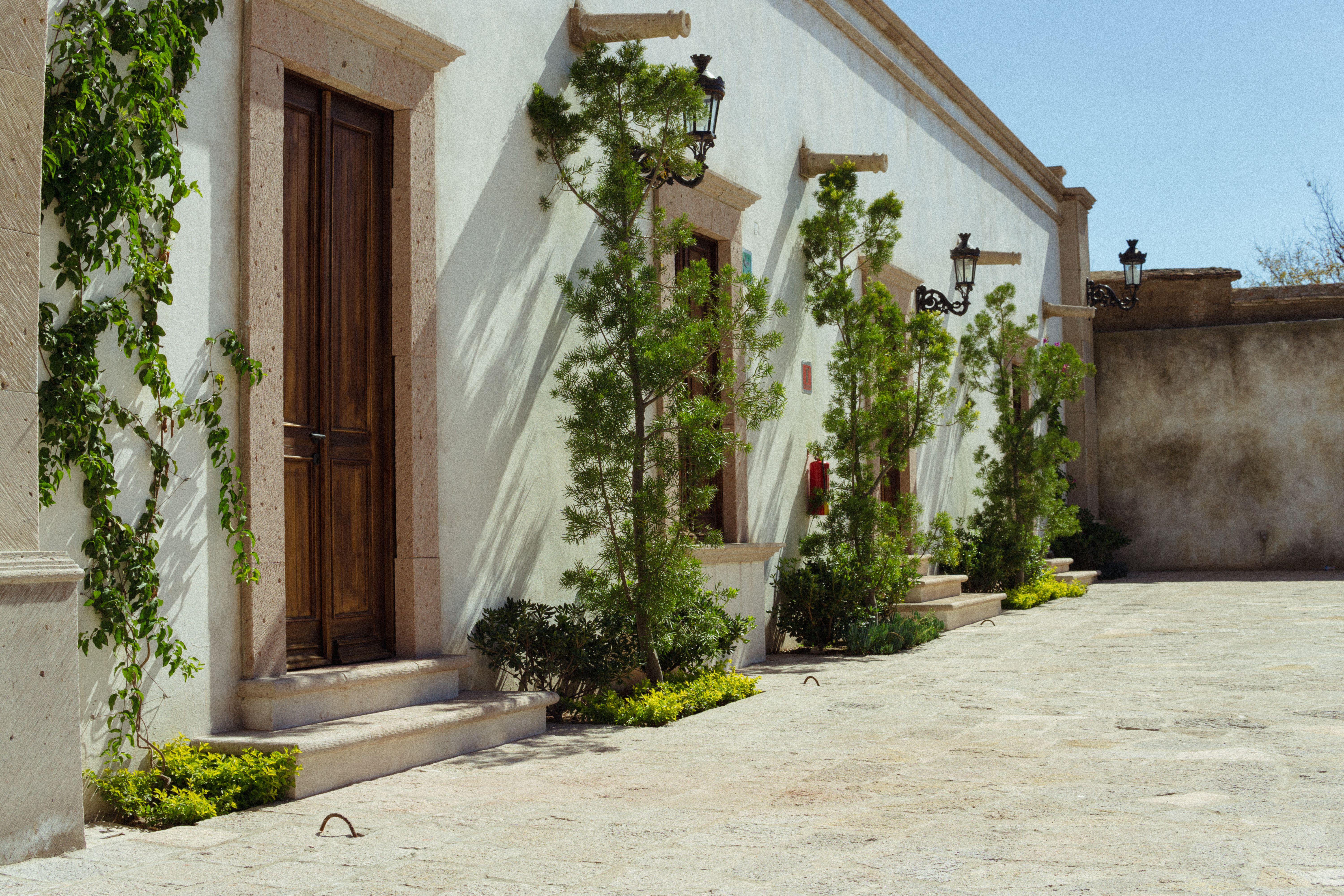
Yes, foreigners can buy property in Mexico. I want to lead with that because a surprising number of people still believe they can't. What's true is that the rules are different from home, and this week they got a little more paperwork-heavy, so it's a good moment to walk through how buying actually works.
The first thing to understand is the restricted zone. Land within about 50 kilometres of the coast or 100 kilometres of an international border can't be held by foreigners through a plain deed. Instead, you buy through a fideicomiso, a bank trust. The bank holds legal title as trustee, and you are the beneficiary, which means you can live in the property, rent it, renovate it, sell it, and leave it to your heirs. People hear "the bank holds title" and panic. In practice the fideicomiso is the standard, well-worn structure that thousands of foreign buyers in Puerto Vallarta, Mazatlán, and the Riviera Maya use, and the real costs are the setup fee and an annual trustee fee. It's paperwork, not a trap.
The second thing is the notario público. Every property sale in Mexico goes through one, and the notario is a government-appointed legal official who makes the transaction valid. Here's the part that catches people: the notario works for the transaction, not for you. A notario will not negotiate on your behalf or hunt for problems the way your own lawyer would. This is where a professional genuinely earns their fee. An independent Mexican real estate lawyer checks title, liens, property tax receipts, HOA debts, and whether the person selling actually has the authority to sell. Two categories deserve extra caution: pre-construction purchases, where the developer's track record and your refund terms matter enormously, and ejido land, communal agricultural land that can look like a bargain and become a legal nightmare. Cheap rural land with a fuzzy ownership story should send you walking.
Now the news hook. Mexico's reformed anti-money-laundering law, published in July, pulls real estate developers, agencies, and notaries deeper into a compliance regime built around "vulnerable activities." Agencies must now assess client risk and report transactions above certain thresholds, with new obligations phasing in through late 2026 and 2027. For an honest buyer this mostly means more identification documents, more questions about where your money comes from, and slower closings. Bring patience and a clean paper trail. The upside is real: a market with more scrutiny is a harder place to get defrauded.
One myth to retire on the way out: buying property does not give you residency. Ownership can help under specific high-value rules, but it is not automatic, so plan your immigration pathway separately. And the oldest advice remains the best. Rent first, live through a summer and a rainy season, then decide whether you want to own the place you already know you love.
Más México
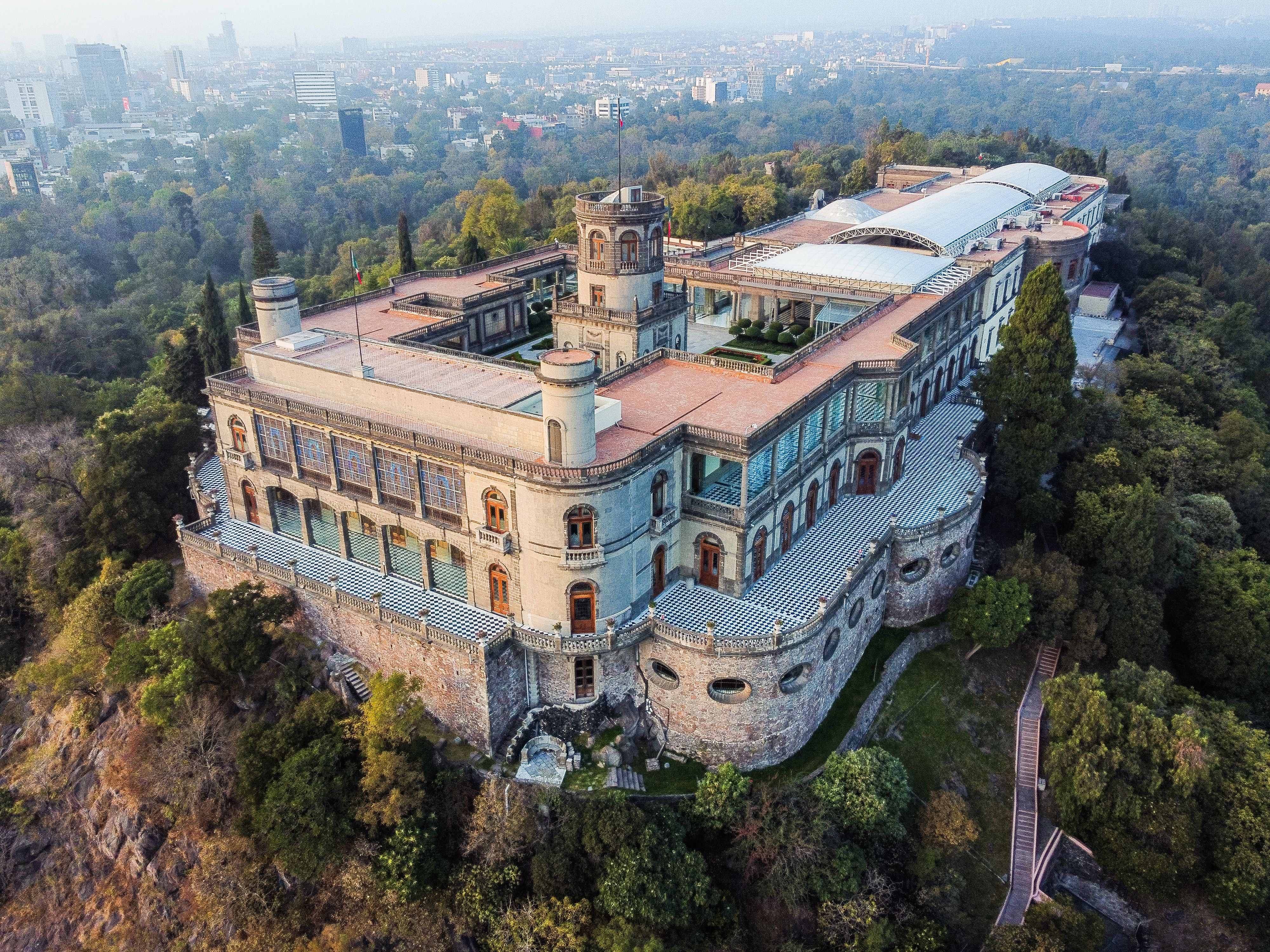
Mexico City's Bosque de Chapultepec covers 686 hectares, roughly double New York's Central Park, and people were strolling it long before there was a Mexico City to escape from. The name means "grasshopper hill" in Nahuatl. Aztec emperors kept it as a personal retreat, and its springs sent drinking water to Tenochtitlan through an aqueduct you can still find pieces of today. The castle on the hill is one of the only royal castles in North America where a monarch actually lived: Emperor Maximilian moved in during the 1860s, and Mexican presidents kept it as their official residence until the 1930s. Today it's the National History Museum, and the park below holds a zoo, lakes with rental boats, and the Museum of Anthropology, home of the Aztec Sun Stone. Entry to the park costs nothing. Central Park wishes it had this résumé.
If Mexico is somewhere in your future, the free guides at Move to Mexico Navigator cover residency, healthcare, taxes, and the rest of the move in plain language. It's the homework, already done.
Trivia Answer
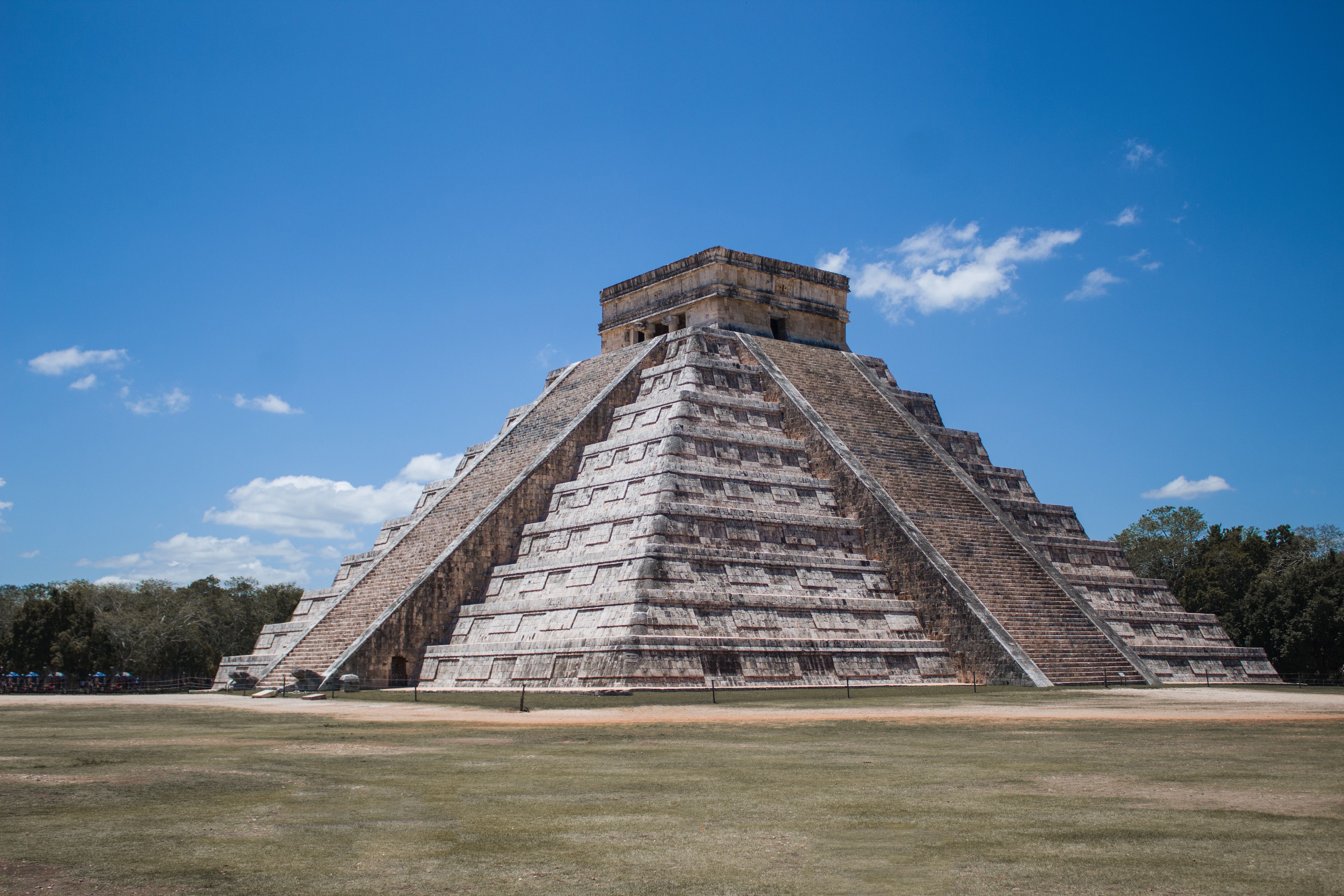
Mexico has 36 UNESCO World Heritage sites, the most of any country in the Americas and the seventh most in the world. The newest addition came in 2025: the Wixárika Route, a sacred pilgrimage route of the Wixárika (Huichol) people.
Nos vemos (See you).
Corey
Some links go to Spanish-language sources. In Chrome or Edge, right-click the page and choose Translate to English. On iPhone Safari, tap the AA icon and choose Translate.